


Get in touch
Proper sizing of an oil water separator is critical for industrial plants seeking to meet discharge regulations, minimize operating costs, and maintain process efficiency. An undersized unit leads to inadequate separation, frequent maintenance, and potential environmental fines, while an oversized separator wastes capital and space. This guide provides a comprehensive framework for sizing oil water separators based on flow rate, oil characteristics, and site-specific conditions. By following these principles, engineers and plant managers can specify a system that delivers reliable performance for years.
Sizing an oil water separator is not simply a matter of matching the influent flow rate. It requires a thorough understanding of the physical and chemical properties of the wastewater stream, as well as the operational demands of the plant. The primary goal is to provide sufficient residence time and surface area for oil droplets to rise to the surface and be removed. According to Stokes law, the rise velocity of an oil droplet is proportional to the square of its diameter and the density difference between oil and water, and inversely proportional to the viscosity of water. Therefore, smaller droplets and colder temperatures significantly increase the required surface area.
Industrial plants often face variable flow rates, fluctuating oil concentrations, and the presence of emulsified oils that do not separate by gravity alone. A robust sizing approach must account for these realities and incorporate safety factors. Under-sizing is the most common and costly mistake, leading to carryover of oil into downstream processes or the environment. Conversely, oversizing can cause short-circuiting, where water flows through the separator too quickly to allow proper separation.
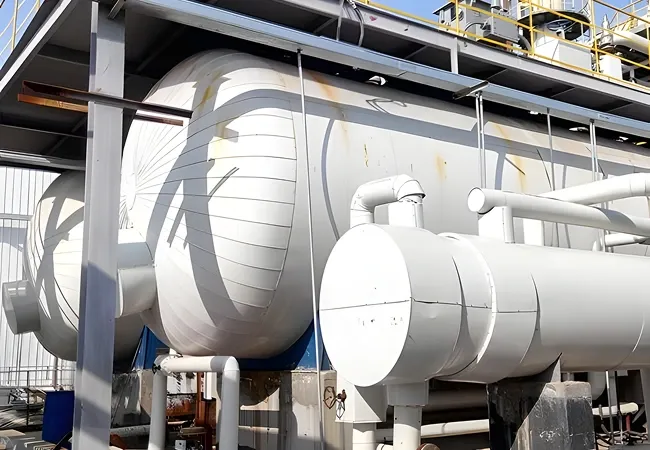
A systematic approach ensures that all relevant factors are considered. The following steps provide a practical methodology for sizing an oil water separator.
Even experienced engineers can fall into traps when sizing oil water separators. Being aware of these pitfalls can save significant time and money.
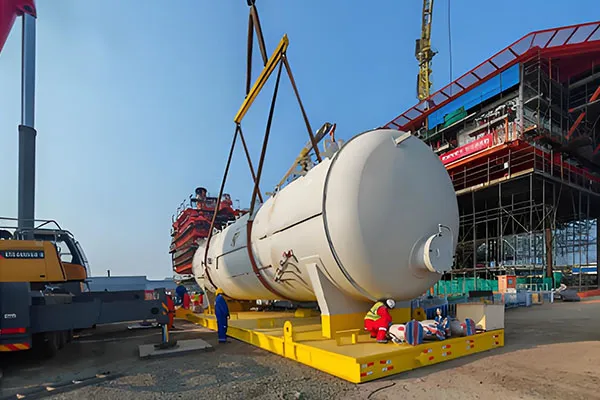
The sizing process naturally leads to the selection of a separator type. Several technologies are available, each with distinct advantages and limitations.
When selecting a separator, consider not only capital cost but also operating costs, maintenance requirements, and reliability. Zhengyuan Petrochemical offers a range of oil water separators, including CPI, TPI, and DAF systems, and provides custom engineering to match specific plant requirements. Their expertise in petrochemical applications ensures that sizing is optimized for both performance and cost.
Correct sizing is an investment in operational excellence. A properly sized separator reduces downtime, minimizes waste disposal costs, and ensures compliance with environmental regulations. It also lowers energy consumption and chemical usage in downstream treatment. By contrast, an incorrectly sized separator can lead to costly retrofits, fines, and reputational damage. Working with an experienced partner like Zhengyuan Petrochemical can help you avoid these risks through accurate sizing and robust design.
These frequently asked questions address common concerns about sizing oil water separators.
What is the most important factor in sizing an oil water separator?
The peak flow rate and the smallest oil droplet size that must be removed. Both determine the required surface area and residence time.
How do I calculate the required surface area?
Use Stokes law or the API 421 design method. These methods relate flow rate, oil droplet rise velocity, and separator geometry to calculate the necessary surface area.
Can I oversize an oil water separator?
Oversizing can lead to short-circuiting, where water flows through the separator too quickly, reducing separation efficiency. It also increases capital and space costs. Proper sizing is a balance.
What role does temperature play in sizing?
Temperature affects the viscosity and density of water and oil. Lower temperatures increase viscosity, slowing the rise of oil droplets and requiring a larger separator.
How can Zhengyuan Petrochemical help with sizing?
Zhengyuan Petrochemical provides engineering support, laboratory testing, and custom-designed separators. Their team can help you accurately size a system that meets your specific flow, oil, and discharge requirements.
Proper sizing of an oil water separator is a complex but manageable task when approached systematically. By understanding the fundamentals, following a step-by-step methodology, and avoiding common pitfalls, industrial plants can select a separator that delivers reliable performance for years. Whether you need a simple gravity separator or an advanced DAF system, accurate sizing is the foundation of success. For expert guidance and high-quality equipment, consider partnering with Zhengyuan Petrochemical.
Oil Water Separator Sizing Guide for Industrial Plants
2026-11-09 01:29Choosing the Right Oil Water Separator for Your Shop
2026-11-02 01:29Luoyang Zhengyuan Petrochemical Obtains Bureau Veritas (BV) Certification for Pipes, Fittings and Pressure Vessels
2026-10-31 06:44Milestone Achieved: Luoyang Zhengyuan Petrochemical Successfully Obtains RINA Factory Approval Certificate
2026-10-28 08:25Address: No. 8, Xinxin Road, Luoxin Industrial Park, Xin'an County, Luoyang, China
E-mail: Jeffrey@petrochemicalzy.com
Phone: +8615896509239

Zhengyuan Petrochemical
Create the greatest value for customers
Provide the best quality products and services
+8615896509239
Jeffrey@petrochemicalzy.com
No. 8, Xinxin Road, Luoxin Industrial Park, Xin'an County, Luoyang, China
 WhatsApp