
Contact

No. 8, Xinxin Road, Luoxin Industrial Park, Xin'an County, Luoyang, China

+861589659239

zypetrochem@gmail.com

Copper Nickel Alloy Ship Accessories

Copper Nickel Alloy Ship Accessories

Product Introduction
Copper Nickel Alloy
Ship Accessories

Copper-nickel alloys, often referred to as CuNi or cupronickel, are a class of metallic materials primarily composed of copper and nickel, with small additions of other elements like iron and manganese.

These alloys are highly valued in the marine industry for their exceptional properties, making them ideal for a wide range of ship accessories and components.The main engineering grades of copper-nickel alloys were developed for naval condenser and seawater pipework applications.

Outstanding
Performance

Widely
Applicable
Copper Nickel Alloy Ship Accessories
ASTM Name Cu Ni Fe Pb
C70600 90-10 copper nickel ~89 9.0-11.0 1.0-1.8 <0.05
C71500 70-30 copper nickel ~69 29.0-33.0 0.4-1.0 <0.05
Feature Introduction
Copper Nickel Alloy
Ship Accessories Propertie

Outstanding Corrosion Resistance

Copper-nickel alloys exhibit superior resistance to corrosion, especially in harsh seawater and brackish water environments. This is due to the formation of a stable, protective oxide layer on their surface, which shields them from corrosive elements, including chlorides and sulfides. This significantly extends the lifespan of components and reduces maintenance costs.

01

Biofouling Resistance

A remarkable characteristic of copper-nickel alloys is their inherent resistance to biofouling—the accumulation of marine organisms like barnacles, mussels, and algae on submerged surfaces. The copper content in the alloy possesses natural antifouling properties, which helps maintain the efficiency of ship systems and reduces the need for frequent cleaning and costly antifouling coatings. This also contributes to fuel efficiency by reducing drag on ship hulls.

02

High Strength and Durability

The addition of nickel to copper enhances its strength, toughness, and ductility. These alloys can withstand the mechanical stresses, impacts, and erosion often encountered in marine conditions, ensuring long-term reliability and performance.

03

Resistance to Erosion-Corrosion

The presence of iron and manganese in copper-nickel alloys improves their resistance to impingement attack and erosion caused by high-velocity flowing seawater, further enhancing their durability in dynamic marine systems.

04

Thermal Conductivity

Copper-nickel alloys possess good thermal conductivity, making them highly suitable for applications requiring efficient heat transfer, such as heat exchangers and condensers.

05

Excellent Fabricability

Despite their robust properties, copper-nickel alloys can be easily fabricated and joined using common techniques like welding, brazing, and soldering, allowing for versatile design and manufacturing of various ship accessories.

06

Low Maintenance and Cost-Effectiveness

The durability and resistance properties of copper-nickel alloys translate into lower maintenance requirements and extended service life. While the initial cost might be higher than some alternative materials, their longevity and reduced need for repairs and replacements result in superior long-term cost-effectiveness.

07
Our Products
Accessories display
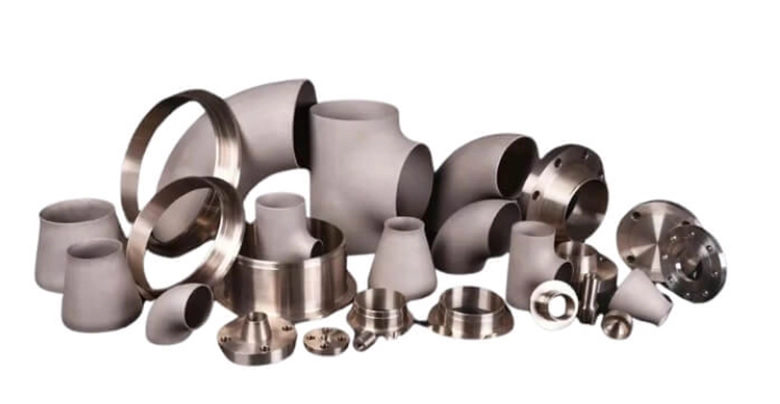
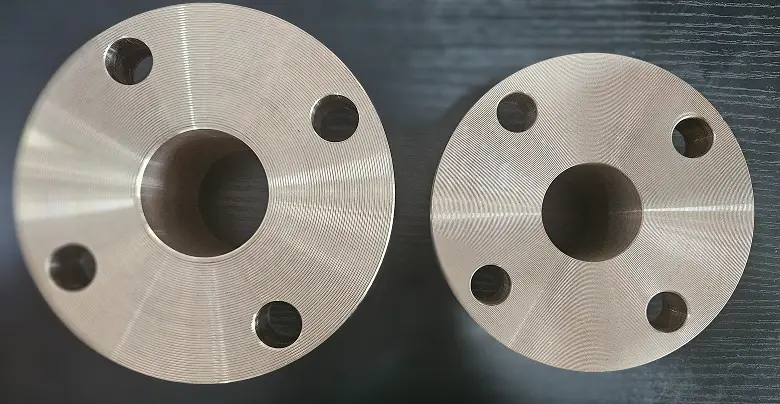
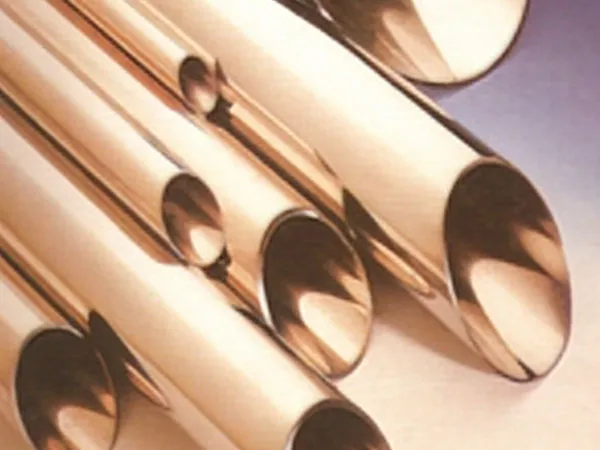
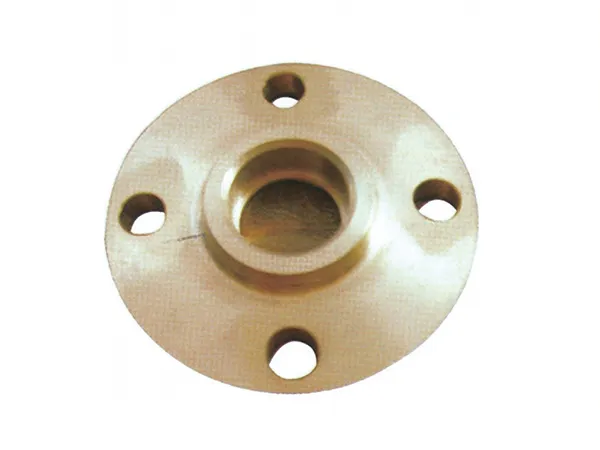
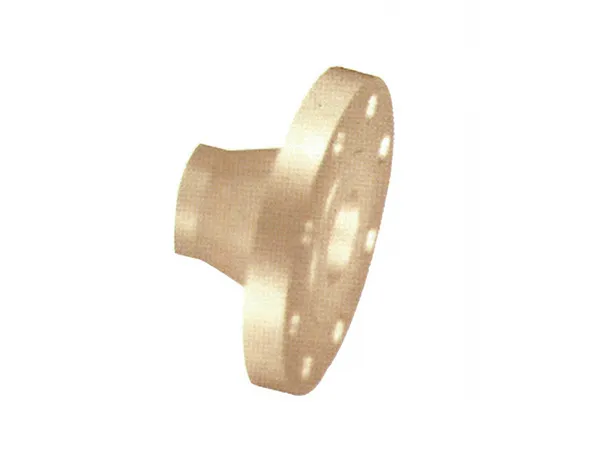
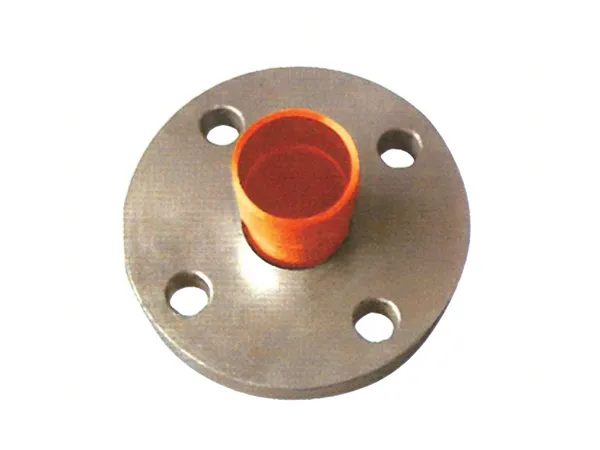
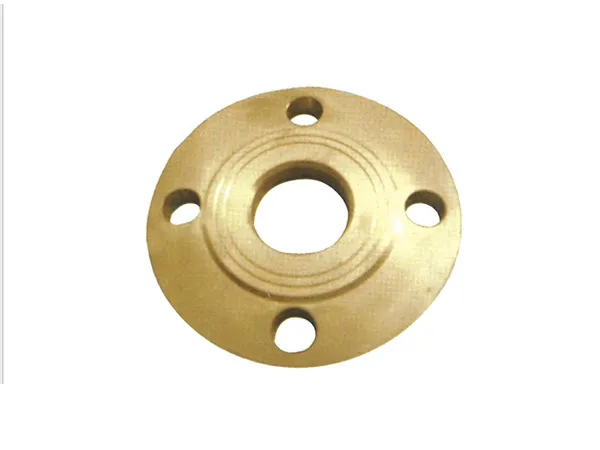
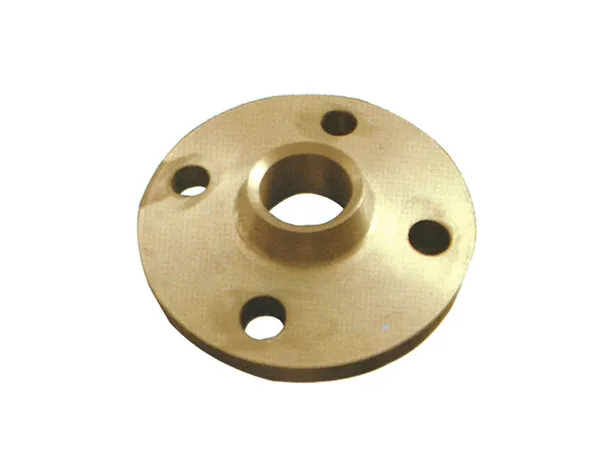
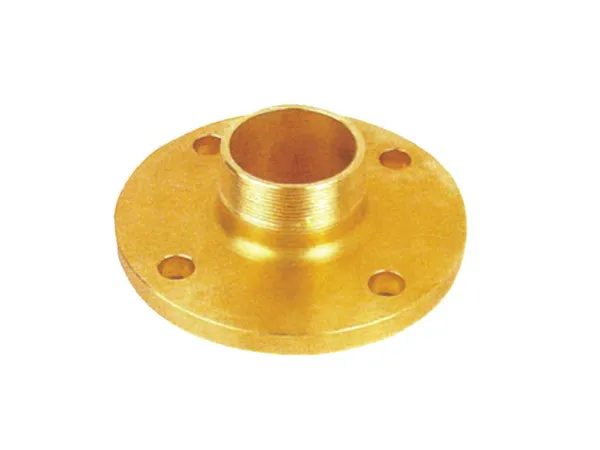
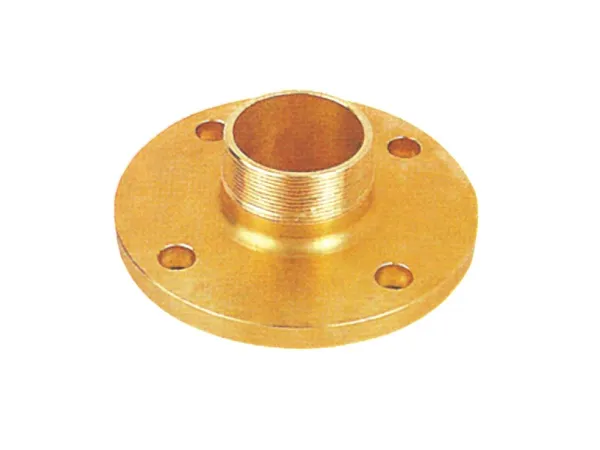
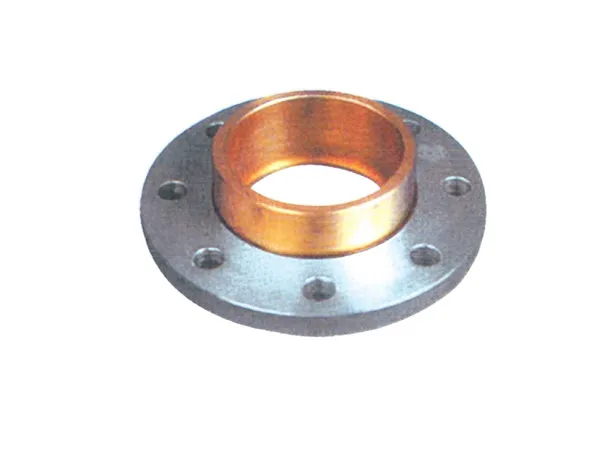
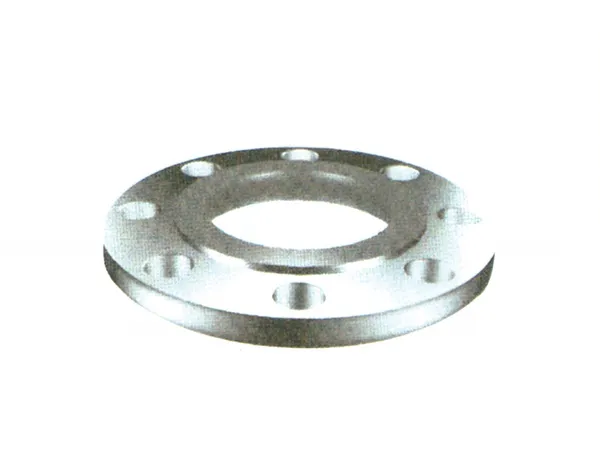
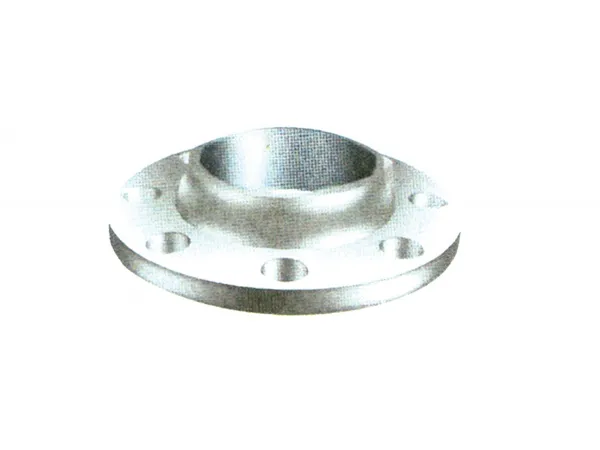
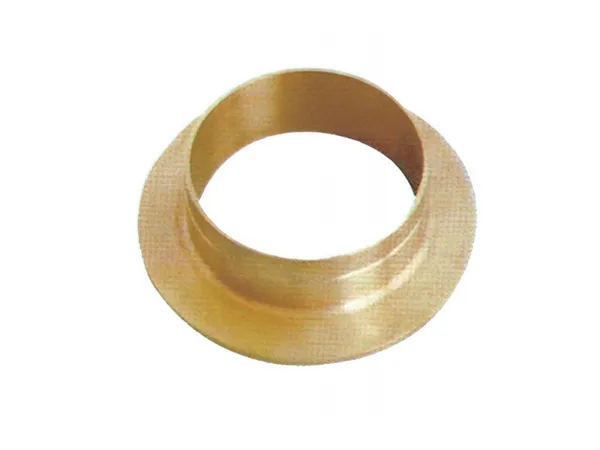
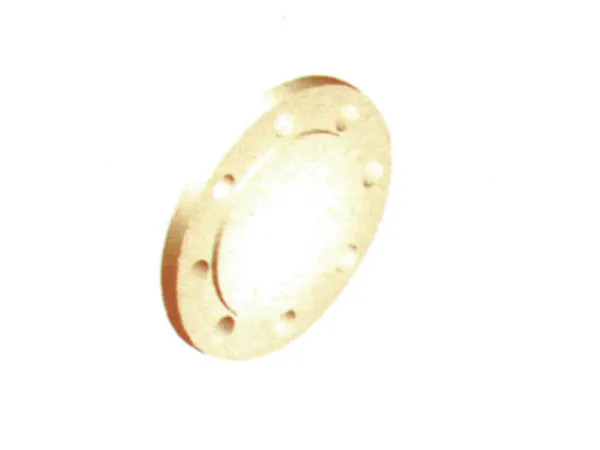
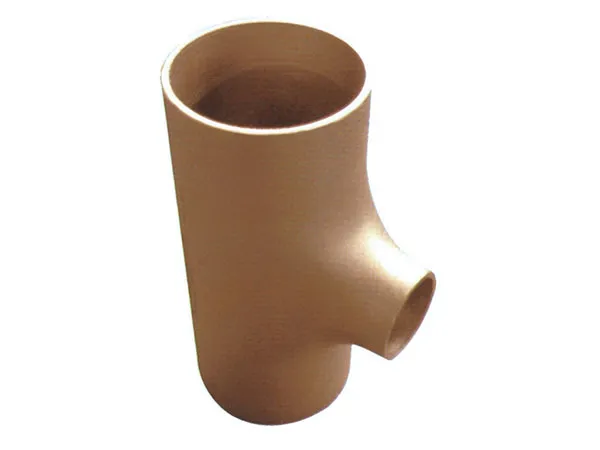
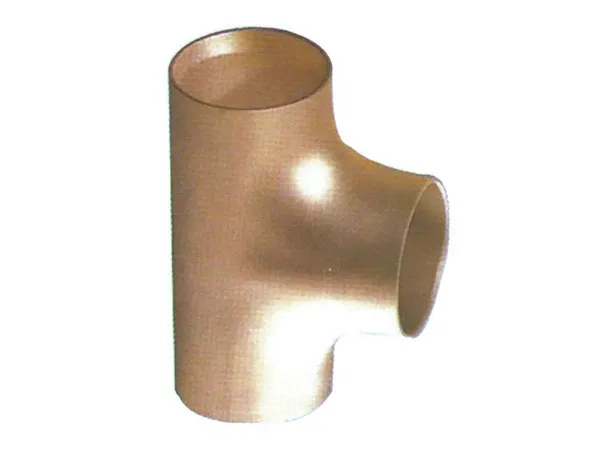
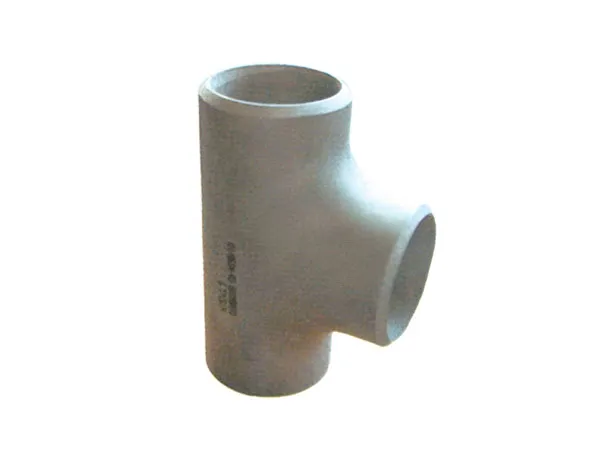
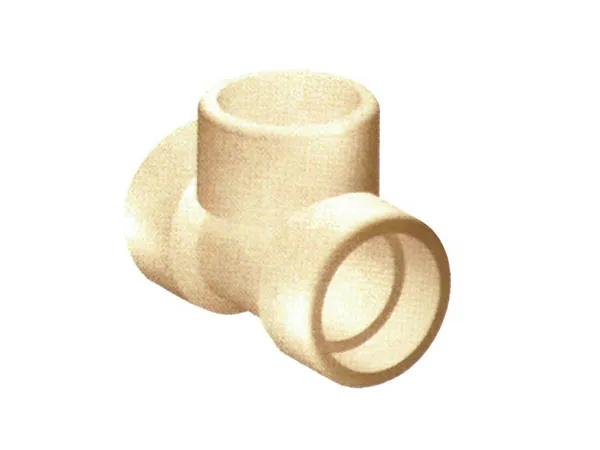
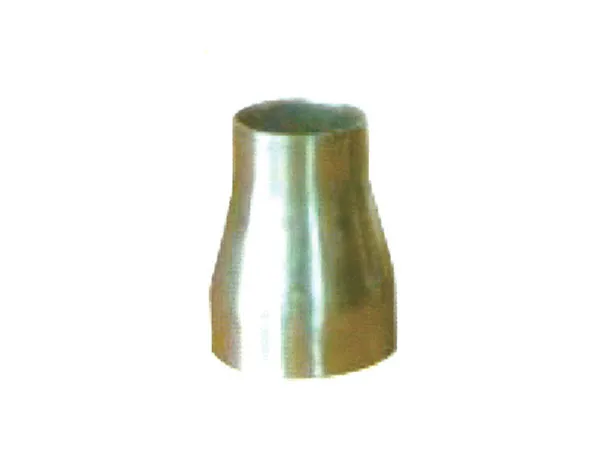
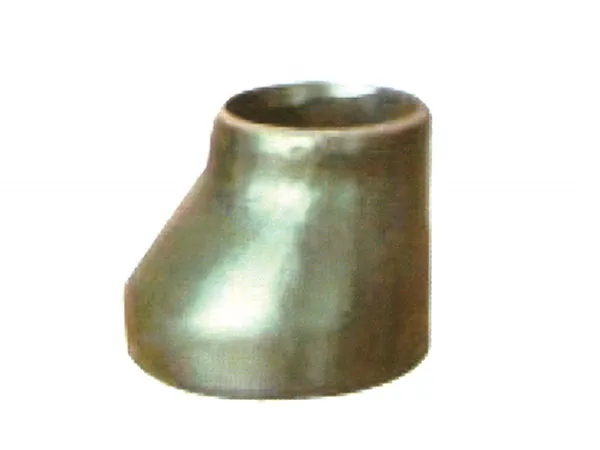
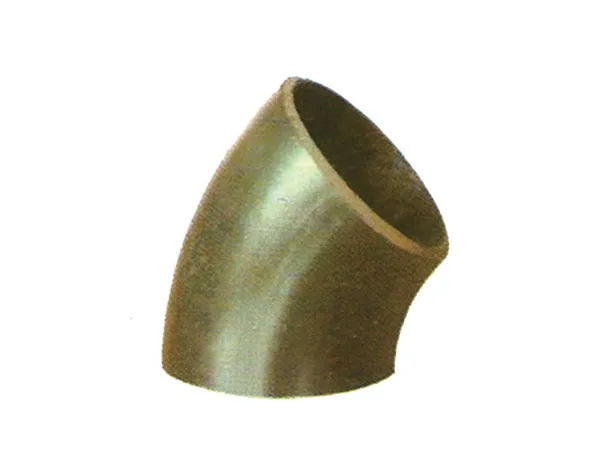
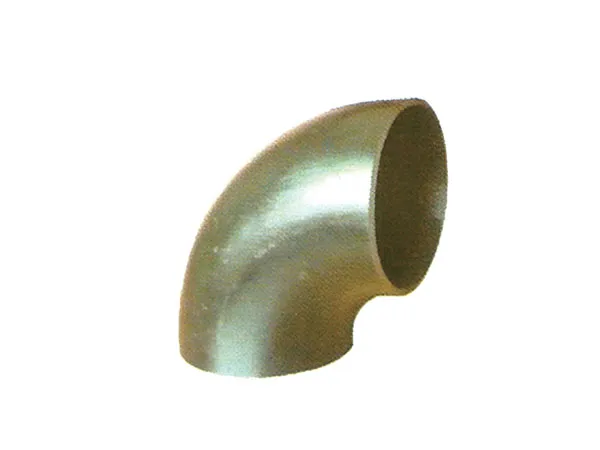
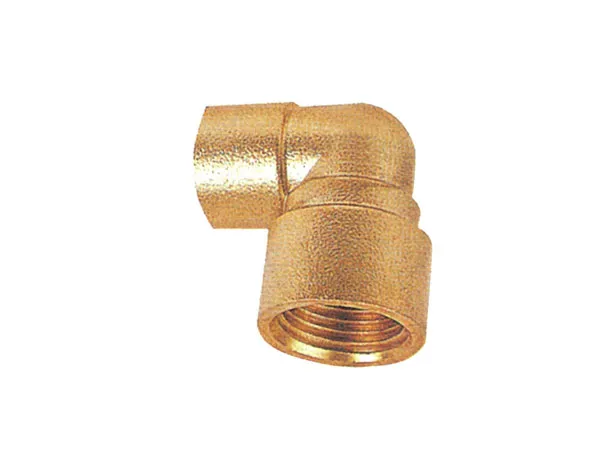
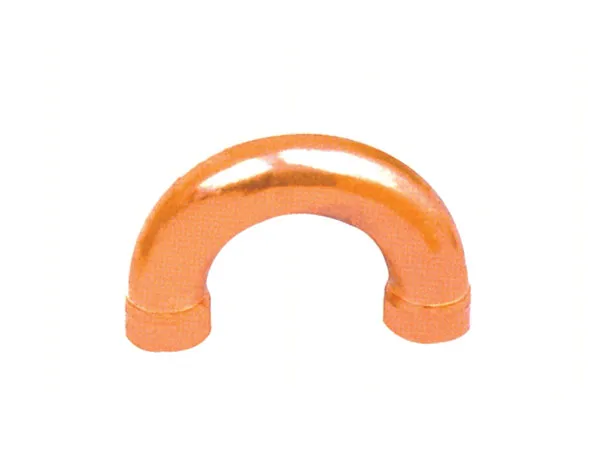
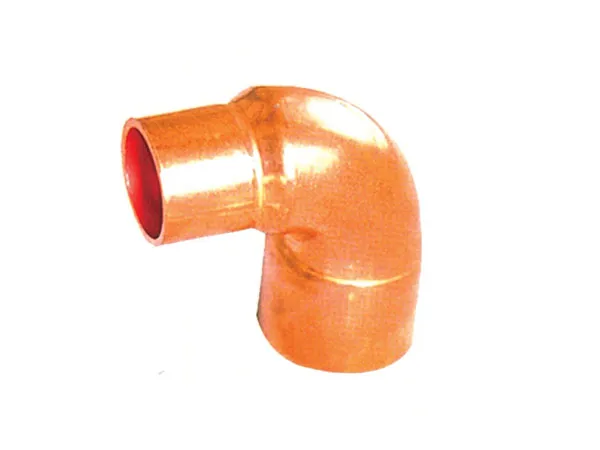
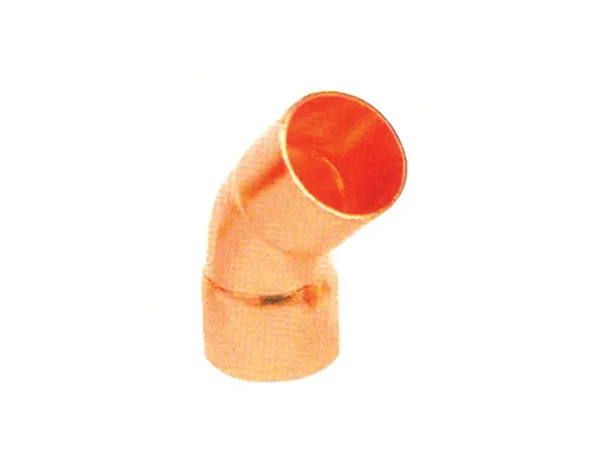
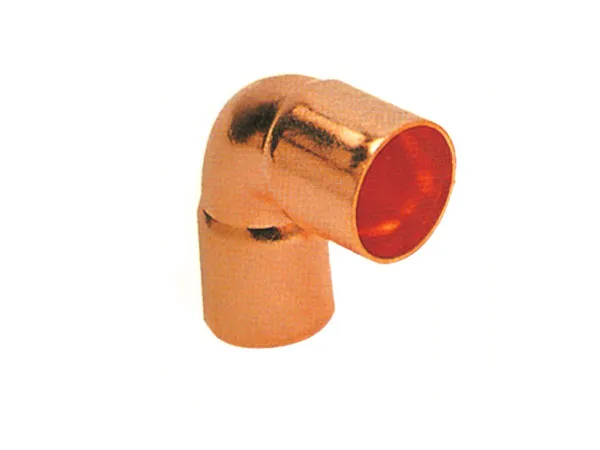
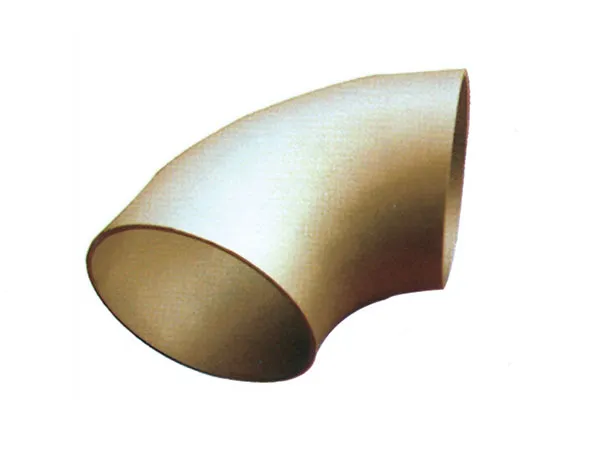
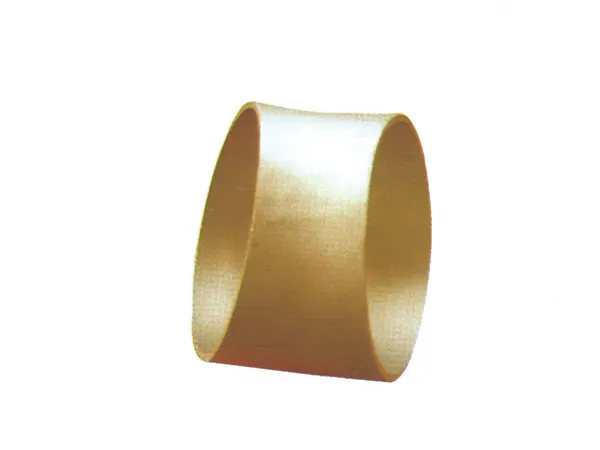
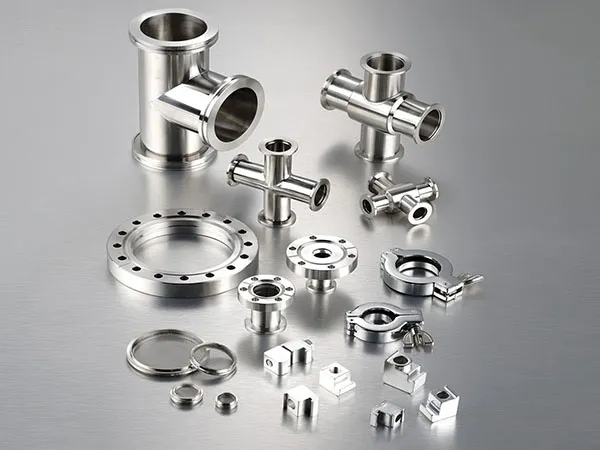
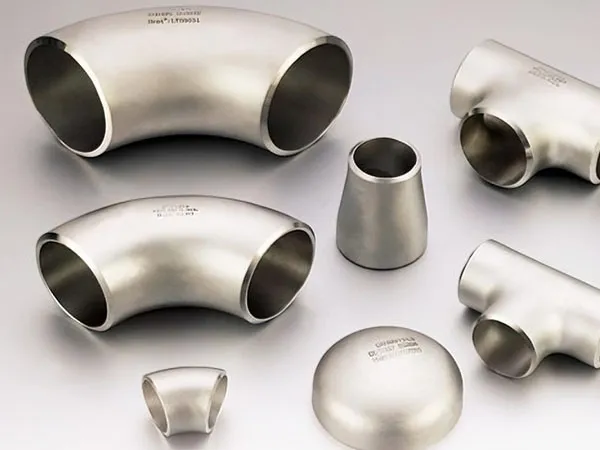
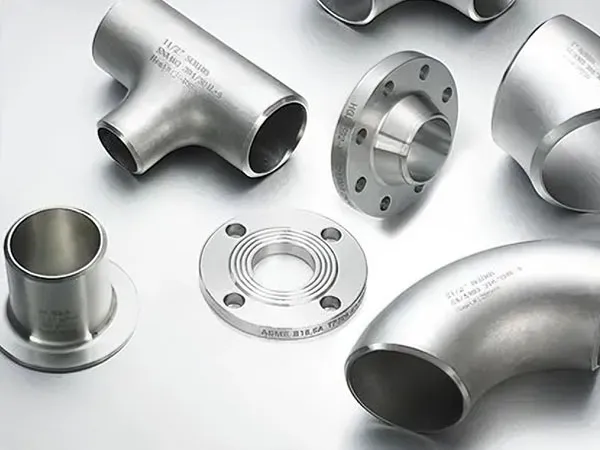
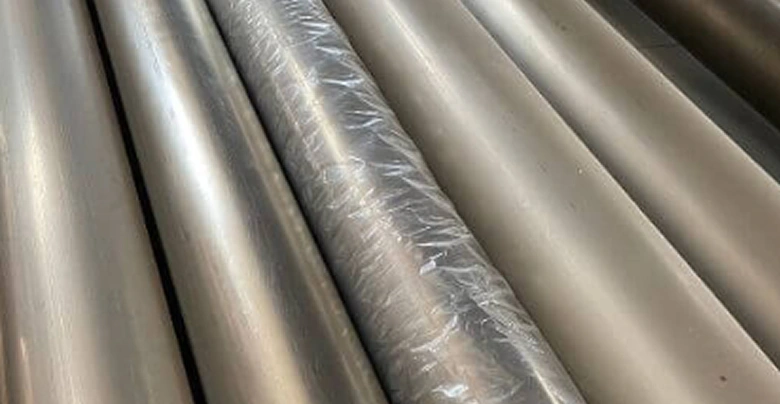
Pipes Flanges Tee Pipe Fittings Reducing Fittings Elbow Pipe Fittings Stainless Steel Pipe Fittings
Pipes

Pipes

Our Products
Common Copper-Nickel Alloys in Marine Use
The two most widely used copper-nickel alloys in marine applications are:
90/10 Copper-Nickel (C70600)

This alloy typically contains 90% copper and 10% nickel, along with small additions of iron and manganese. It is the most commonly used wrought copper alloy for marine engineering due to its excellent balance of corrosion resistance, biofouling resistance, and cost-effectiveness.

70/30 Copper-Nickel (C71500)

Comprising 70% copper and 30% nickel, with similar beneficial additions of iron and manganese, this alloy offers higher strength and can withstand more aggressive seawater velocities and higher temperatures compared to the 90/10 alloy. It is often preferred for more demanding applications.
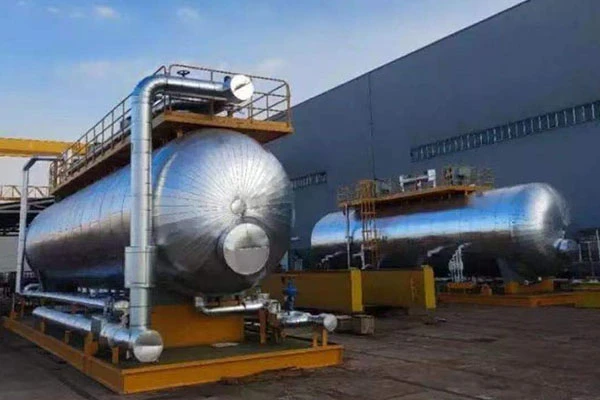
How about our products?
Introduction to
Product Application
01

Seawater Piping Systems

  • This is one of the most significant applications for copper-nickel alloys on ships. Seawater is used for numerous purposes on board, and piping systems made from CuNi alloys offer long-term reliability and reduced maintenance. Applications include:
  • Cooling Systems: For main engines, auxiliary machinery, oil coolers, and charge air coolers. Copper-nickel pipes and heat exchangers ensure efficient cooling by handling the continuous flow of seawater without succumbing to corrosion or fouling.
  • Bilge and Ballast Systems: Used to empty bilges and fill/empty cargo and ballast tanks. While operation is intermittent, the ability of CuNi to withstand stagnant seawater conditions and subsequent flow makes it suitable.
  • Sanitary Systems: For supplying water to sanitary facilities and handling discharges.
  • Fire Fighting Systems (Fire Mains and Sprinklers): Essential safety systems that rely on the reliable flow of seawater. 90/10 CuNi is commonly used here.
  • Hydraulic and Pneumatic Systems: For pressure and return lines of hydraulically operated components, such as cargo and ballast pumps and control valves.
  • Inert Gas Systems: On tankers, these systems use seawater to scrub flue gas before blanketing cargo tanks. Copper-nickel pipes are used for seawater supply.
  • Fuel Oil and Lube Oil Systems: In certain applications, these systems may also utilize CuNi components, especially where heat exchange with seawater occurs.
02

Heat Exchangers and Condensers

  • Given their excellent thermal conductivity and corrosion resistance in seawater, copper-nickel alloys are widely used in various heat transfer equipment:
  • Main Condensers: In steam turbine-powered ships (including naval vessels and LNG tankers), copper-nickel tubes are critical for condensing steam.
  • Auxiliary Condensers and Coolers: Used throughout the ship for various cooling needs.
  • Desalination Plants (Evaporators, Brine Heaters): Many ships produce their own fresh water using distillation. CuNi alloys are extensively used in the tubing and components of multi-stage flash (MSF) and multiple-effect distillation (MED) plants due to their ability to handle hot, de-aerated seawater and brine.
  • Oil Coolers: For cooling lubricating oil and other fluids.
03

Hulls and Sheathing

  • While less common for the entire hull of large commercial vessels due to cost, copper-nickel is used for:
  • Ship Hull Cladding/Sheathing: Solid plates or clad steel plates of 90/10 CuNi are used on the underwater hull of some vessels (e.g., naval ships, specialized boats) to prevent biofouling and reduce corrosion, leading to improved fuel efficiency and lower maintenance from hull cleaning. This concept dates back to the copper sheathing of wooden warships.
  • Splash Zone Sheathing: On offshore platforms and specialized marine structures, 90/10 CuNi can be used in the splash zone, which experiences the harshest conditions (alternate wetting and drying, high oxygenation, wave action), to protect structural elements.
04

Pumps and Valves

  • Components that directly handle seawater:
  • Seawater Pumps: Impellers, casings, and other wetted parts for various shipboard systems.
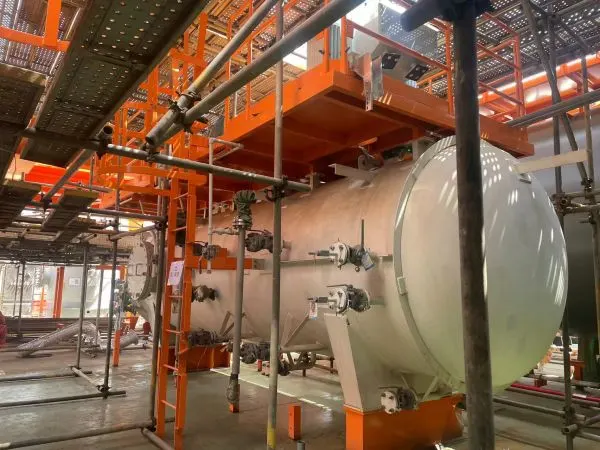
  • Valves and Fittings: Gate valves, globe valves, check valves, flanges, elbows, tees, and other fittings are manufactured from cast or wrought copper-nickel alloys to ensure system integrity and corrosion resistance. Nickel aluminum bronze (NAB) is also a common material for these applications, sometimes in conjunction with CuNi piping systems.
05

Other Marine Hardware and Components

  • Fasteners: Bolts, nuts, and screws made from CuNi alloys are used in various marine assemblies where corrosion resistance is paramount.
  • Propellers and Shafts: While high-strength alloys like Nickel Aluminum Bronze (NAB) are often preferred for large propellers, certain copper-nickel compositions can be used for smaller propellers and propeller shafts, particularly where extreme biofouling resistance is desired.
  • Rudders and Stabilizers: Components exposed to seawater.
  • Finned Tubes: Used in various cooling and heating applications.
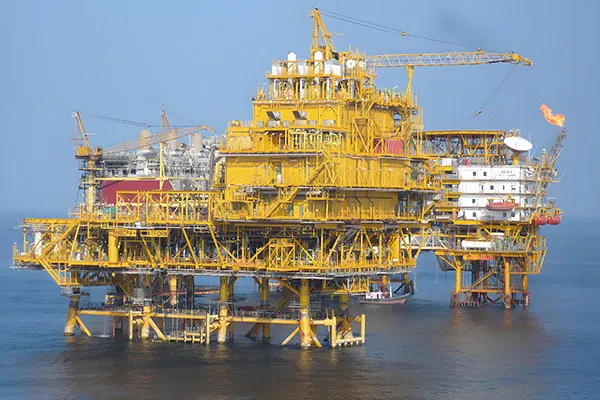
  • Offshore Oil and Gas Platforms: Beyond piping, CuNi alloys are used in firewater/deluge systems, cooling systems, and splash zone protection for platform legs and risers on Floating Production Storage and Offloading (FPSO) vessels.
Our work projects
Explore our
quality cases
Related News
Discover the future
of factories & Industries
GET in Touch
Please provide us with your needs or valuable suggestions!
Submit Now

Zhengyuan Petrochemical

Create the greatest value for customers

Provide the best quality products and services

Follow us
Copyright © Luoyang Zhengyuan Petrochemical Co., Ltd. Technical Support: Shangxian Sitexml