



Get in touch

A titanium alloy heat exchanger is a high-performance thermal transfer device designed for demanding environments where corrosion resistance, strength, and lightweight properties are essential. Titanium alloys, such as Ti-6Al-4V (Grade 5), are commonly used due to their excellent resistance to seawater, acids, and chlorides, making them ideal for industries like chemical processing, marine, aerospace, and power generation.

01. The Fundamental Principle: Temperature Difference and Heat Flow
The core concept behind a heat exchanger is the natural tendency of heat to flow from a region of higher temperature to a region of lower temperature. This is governed by the laws of thermodynamics. In a heat exchanger, a hot fluid releases its heat to a colder fluid until their temperatures equalize or reach a desired level.
02. Fluid Separation and Conductive Barrier
To prevent the fluids from mixing while allowing heat transfer, heat exchangers are designed with a physical barrier between them. This barrier is typically made of a highly thermally conductive material, such as metal (e.g., copper, stainless steel, aluminum, steel, titanium).
The hot fluid circulates on one side of this barrier.
The cold fluid circulates on the other side.
Heat is transferred through the barrier via conduction.
03. Heat Transfer Mechanisms
While conduction through the separating wall is crucial, other heat transfer mechanisms also play a significant role:
Convection: As the fluids flow, heat is transferred within each fluid by convection. Hot fluid molecules transfer energy to cooler fluid molecules as they move, and this movement helps carry heat to and from the conductive surface.
Radiation: In some high-temperature applications, heat transfer by radiation can also contribute, though conduction and convection are typically dominant.
04. Optimizing Heat Transfer
The efficiency of a heat exchanger is maximized through several design considerations:
(1) Large Surface Area: The more surface area available for heat exchange between the hot and cold fluids, the more efficient the transfer will be. This is why many heat exchangers utilize tubes, fins, or multiple plates to create a large contact area in a compact space.
(2) Material Selection: Using materials with high thermal conductivity ensures that heat passes easily through the separating wall.
(3) Flow Configuration: The way the hot and cold fluids flow relative to each other significantly impacts efficiency:
a. Counter-flow: The hot and cold fluids flow in opposite directions. This is generally the most efficient configuration because it maintains a more consistent temperature difference along the length of the exchanger, maximizing heat transfer.
b. Parallel flow (or Co-current flow): The hot and cold fluids flow in the same direction. This is less efficient than counter-flow because the temperature difference between the fluids decreases along the length.
c. Cross-flow: One fluid flows perpendicular to the other. This is common in applications where one fluid is a gas (like air) and the other is a liquid.
(4) Turbulence and Mixing: Enhancing turbulence within the fluid flow can improve heat transfer by increasing the mixing of fluid particles and bringing more fluid into contact with the heat exchange surface.
(5) Temperature Differential: A larger initial temperature difference between the hot and cold fluids leads to a greater driving force for heat transfer.
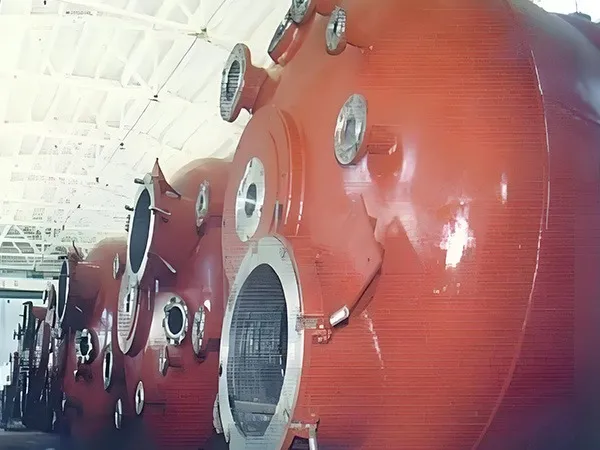
Titanium-Steel Composite Reactor
A titanium-steel composite reactor, also known as a titanium-lined steel reactor, is a type of chemical reaction vessel that leverages the distinct advantages of both titanium and steel. It combines a steel outer shell, providing structural strength, high pressure resistance, and cost-effectiveness, with an inner lining of pure titanium or a titanium alloy, which offers exceptional corrosion resistance.
This innovative composite design addresses a critical challenge in many industrial processes: the need for materials that can withstand highly corrosive environments while also being robust enough for high-pressure and high-temperature operations. Pure titanium reactors are excellent for corrosion resistance but can be significantly more expensive for large-scale applications, and their mechanical properties might not always be sufficient for extreme pressures. Conversely, steel is strong and economical but highly susceptible to corrosion in aggressive chemical media.
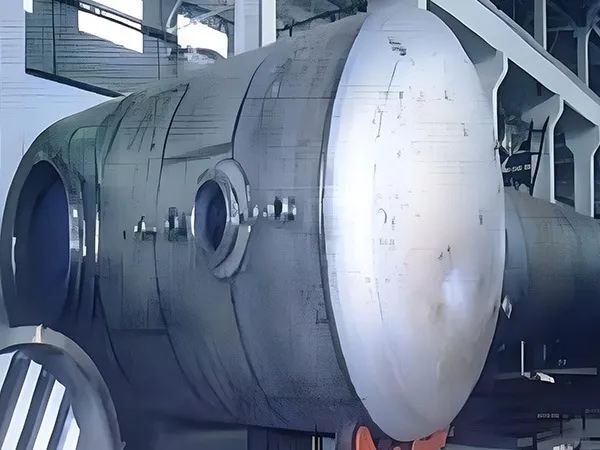
All-Titanium Reactor Tower
An all-titanium reactor tower represents a significant advancement in chemical processing and other industrial applications where extreme conditions and aggressive environments are encountered. Unlike traditional reactor towers constructed from materials like stainless steel or other alloys, these towers are fabricated entirely from titanium, leveraging the metal's exceptional properties.
Applications:
Chemical Processing: Especially in the production of chlorine chemicals, acids (hydrochloric, nitric, phosphoric), and other corrosive compounds. They are also used in various organic synthesis, polymerization, and other chemical reactions.
Oil & Gas: In environments with corrosive fluids, high pressures, and often in offshore applications where seawater corrosion is a major concern.
Desalination Plants: Due to titanium's exceptional resistance to seawater corrosion.
Pharmaceutical and Food Industries: Where purity and non-contamination of products are paramount.
Pulp and Paper Industry: For bleaching equipment and other processes involving corrosive chemicals.
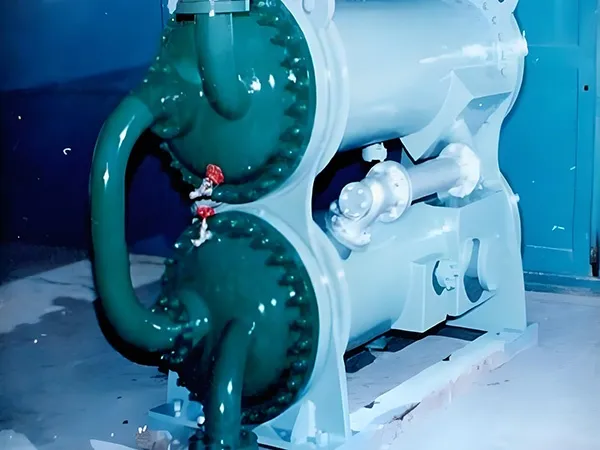
Titanium Gas Seal Vapor Extractor
A titanium gas seal vapor extractor is a specialized piece of equipment designed to efficiently and safely remove or extract unwanted vapors and gases from a system or environment, utilizing titanium's unique properties for enhanced performance and durability,
Applications and Benefits
The combination of vapor extraction capabilities with titanium's material advantages makes Titanium Gas Seal Vapor Extractors ideal for:
Chemical processing plants: Handling corrosive or high-temperature vapors.
Semiconductor manufacturing: Where purity and resistance to etching agents are crucial.
Environmental clean-up operations: Dealing with aggressive pollutants.
Vacuum systems: As a "scavenger" for gases by chemically binding to them, as seen in titanium sublimation pumps for ultra-high vacuum systems.
Areas requiring high reliability and low maintenance: Due to titanium's durability.
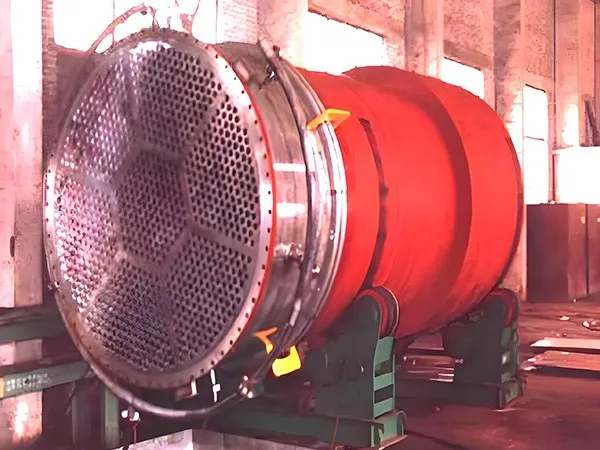
Titanium Steel Composite Plate Heating Chamber
A "titanium steel composite plate heating chamber" refers to a specialized heating environment designed for processing, treating, or forming composite plates made of titanium and steel. These chambers are critical in the manufacturing and application of such plates, as the dissimilar properties of titanium and steel require precise temperature control and controlled atmospheres to ensure proper bonding and prevent issues like oxidation or the formation of brittle intermetallic compounds.
Heating Method:
Resistance Heating: Electrical resistance elements are commonly used to heat the chamber, providing reliable and controllable heat.
Induction Heating: For some localized or rapid heating applications, induction heating might be employed.
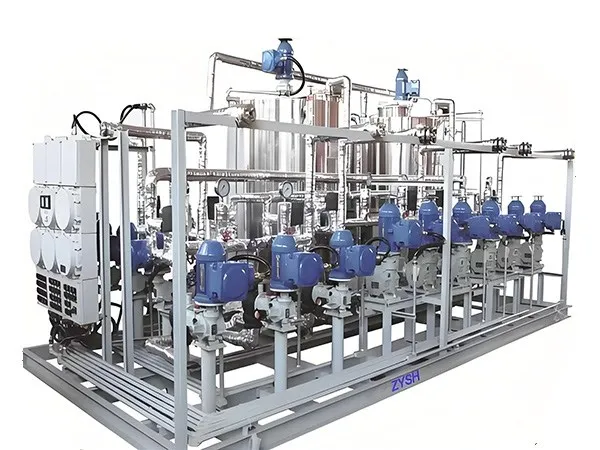
Chemical Injection Skid
A chemical injection skid is a self-contained, integrated system designed for the precise dosing and injection of various chemicals into pipelines or process streams in industrial applications. These skids are modular and customizable, built on a structural frame (skid) for easy transport and installation.
How it Works:
Chemical injection skids operate by drawing a specific chemical from a storage tank using a pump. The pump then injects the chemical into a pipeline or process stream at a precisely controlled rate. Flow meters and control systems continuously monitor and adjust the dosage to ensure accuracy. Many systems can be fully automated for remote operation and monitoring.
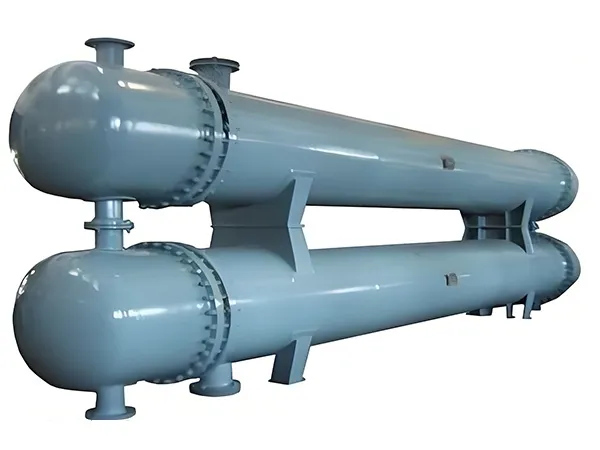
Shell and Tube Heat Exchanger
A shell and tube heat exchanger is a widely used type of heat exchanger in industrial applications, particularly in oil refineries, chemical processes, and power generation. As its name suggests, it consists of a large cylindrical shell with a bundle of tubes inside it.
Common Applications:
Shell and tube heat exchangers are ubiquitous in various industries for a multitude of tasks, including:
Power Generation: Condensing steam, preheating feedwater.
Oil and Gas: Crude oil heating, gas cooling, refining processes.
Chemical Manufacturing: Reactor cooling/heating, heat recovery, condensation, evaporation.
HVAC Systems: Chilled water systems, heat pumps.
Food and Beverage: Pasteurization, sterilization, product cooling/heating.
Pharmaceuticals: Maintaining precise temperatures for processes.
Marine Industry: Engine cooling, freshwater production.
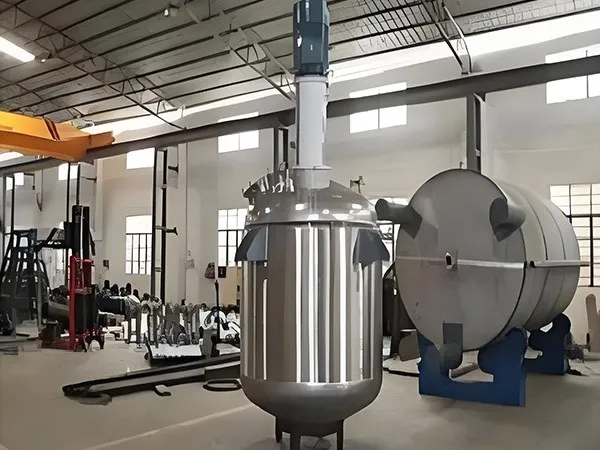
Electrolyte Reaction Kettle
Electrolyte reaction kettle: lithium battery electrolyte configuration kettle is an important equipment in the process of electrolyte production. It is based on the premise that the medium involved in the reaction is fully mixed. For the physical change process such as cooling and inert gas protection, the stirring operation suitable for the process can obtain better results.
Applications
Electrolysis: Production of elements (e.g., chlorine, sodium, aluminum) or compounds (e.g., hydrogen peroxide) through electrochemical decomposition.
Electroplating: Deposition of a thin layer of metal onto a surface.
Electrowinning and Electrorefining: Extraction and purification of metals from their ores.
Battery and Supercapacitor Manufacturing: Production of electrolyte solutions and the formation of electrode materials.
Chemical Synthesis: Driving non-spontaneous redox reactions for the synthesis of various organic and inorganic chemicals.
Wastewater Treatment: Electrochemical methods for removing pollutants.
Corrosion Testing: Simulating corrosive environments to test material durability.
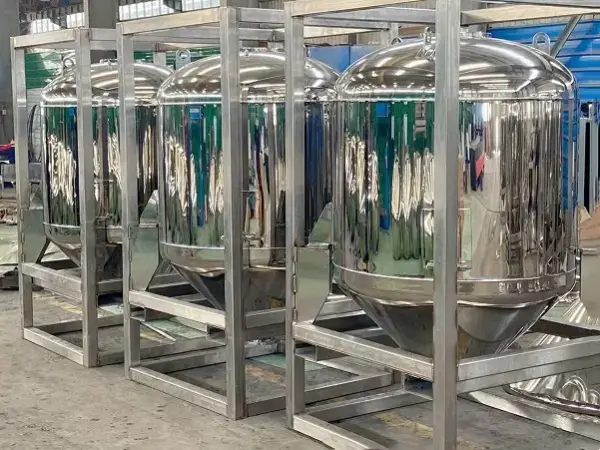
Electrolyte Standard Ton Drum
An electrolyte standard ton drum is a specialized, high-purity, and robust container engineered to meet the demanding requirements of industries where the quality and safety of chemical components, particularly electrolytes, are non-negotiable.
Electrolyte standard ton drum, accept custom
Material:SUS304 stainless steel
Vessel:1000L
Design Pressure:0.5MPa
Outline Dimension:1120*1120*1630mm
Designe Tmperature:60℃
Maximum Volume:1030L
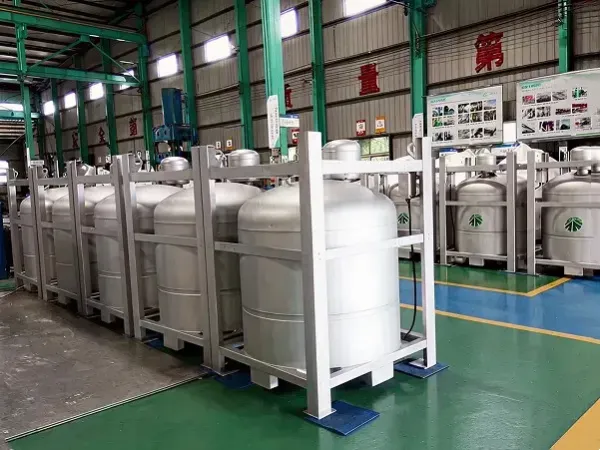
Electrolyte Storage Tank
An electrolyte storage tank is a critical component in various electrochemical systems, particularly in the context of advanced battery technologies like flow batteries. Unlike conventional batteries where energy is stored within the electrode materials, flow batteries store energy in liquid electrolyte solutions housed in external tanks.
Applications:
Electrolyte storage tanks are central to:
Redox Flow Batteries (RFBs): These batteries are a leading example of flow battery technology, utilizing two separate electrolyte solutions that flow through the battery cell.
Other Flow Battery Types: Various other flow battery chemistries also rely on external electrolyte storage.
High-Purity Chemical Storage: Tanks with similar design principles are also used for the storage and transportation of other high-purity chemicals.
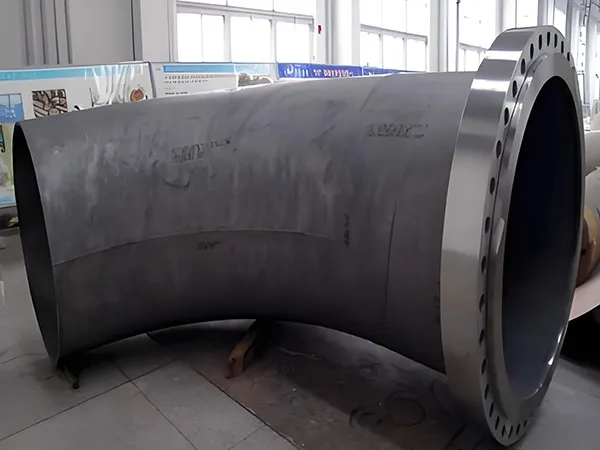
Titanium Alloy Large Diameter Elbow
A titanium alloy large diameter elbow is a specialized pipe fitting designed to change the direction of flow in piping systems where large volumes of fluids or gases are transported. These elbows are highly valued in demanding industries due to the exceptional properties of titanium alloys.
Standards and Grades:
Titanium alloy large diameter elbows are manufactured to stringent industry standards such as ASME B16.9, ASME B16.28, MSS-SP-43, and ASTM B363/ASME SB363. They are available in various grades of commercially pure titanium (e.g., Grade 1, 2, 3, 4) and titanium alloys (e.g., Ti-6Al-4V (Grade 5), Ti-3Al-2.5V (Grade 9), Ti-Pd alloys (Grade 7, 11), Grade 12). The selection of a specific grade depends on the required strength, corrosion resistance, and operating temperature for the application.
Titanium Prefabricated Pipe Line
Titanium prefabricated pipelines are piping spools manufactured using various grades of titanium, a highly versatile metal known for its exceptional properties. Instead of performing extensive welding and assembly on-site, which can be time-consuming and challenging in harsh conditions, these pipeline sections are precisely fabricated in a controlled facility. This ensures higher quality, consistency, and efficiency in project execution.
Applications of Titanium Prefabricated Pipelines:
Chemical Processing Plants: For handling highly corrosive acids, alkalis, and chlorides.
Oil and Gas Industry: Especially in offshore, subsea, and downhole applications where exposure to seawater, brine, and aggressive hydrocarbons is constant.
Power Generation Plants: Including thermal and nuclear power plants, for handling high-temperature and high-pressure fluids.
Desalination Plants: Due to titanium's exceptional resistance to saltwater corrosion.
Marine and Offshore Engineering: For shipbuilding, oil rigs, and other subsea equipment.
Aerospace: Although often for smaller, specialized components, the principles of prefabrication and titanium's benefits apply.
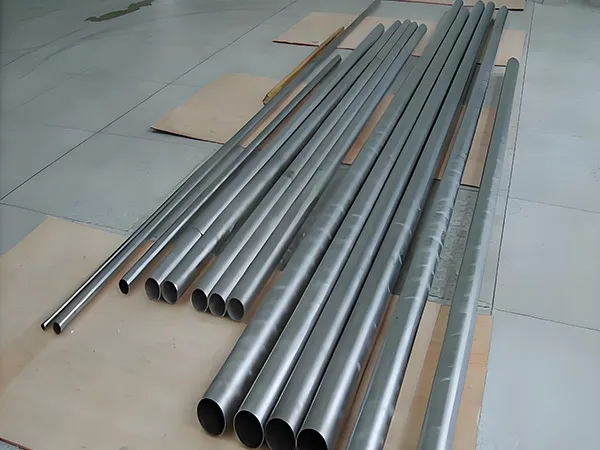
Titanium Alloy Tubes
Titanium alloy tubes are hollow cylindrical structures made from various titanium alloys. They share many of the exceptional properties of titanium as a material, but in a tubular form, which makes them highly valuable for transporting fluids, gases, or for use as lightweight structural components in numerous demanding applications.
Manufacturing Processes
Titanium alloy tubes can be manufactured through several methods, each offering specific advantages in terms of size, wall thickness, and surface finish:
Seamless Tubes: Produced by piercing a solid billet or by extrusion, followed by cold pilgering or cold drawing to achieve the desired dimensions and surface quality. Seamless tubes are known for their uniform structure and high pressure resistance.
Welded Tubes: Made from titanium strips that are formed into a tube shape and then welded along the seam, typically using TIG (Tungsten Inert Gas) or laser welding. Welded tubes are often more cost-effective for larger diameters and thinner walls.
Other Methods: Include hot extrusion, rolling, and various finishing processes.
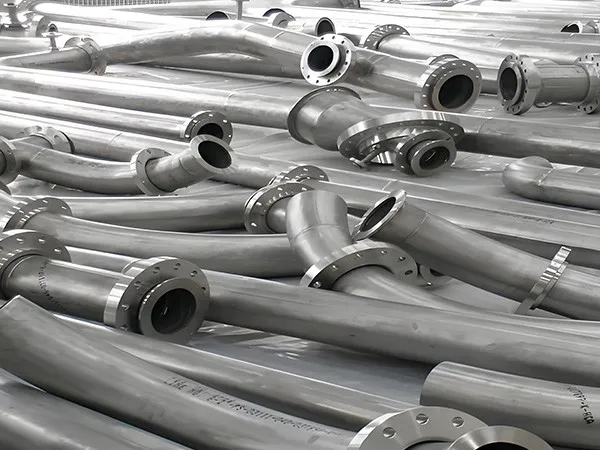
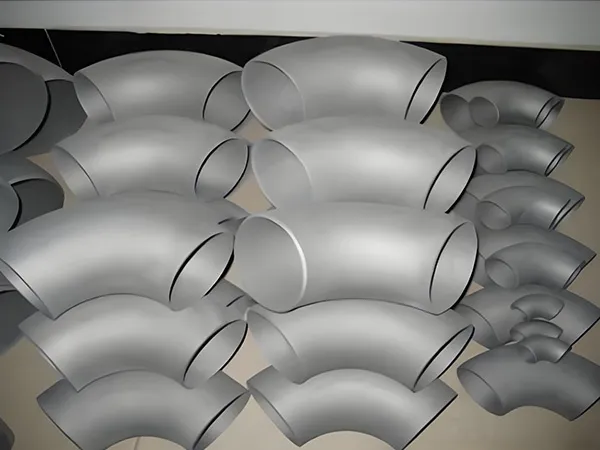
Titanium Alloy Fittings
Titanium alloy fittings are specialized components made from titanium or titanium alloys, designed to connect, redirect, or seal off pipe systems and other structural elements. They are highly valued in various industries due to their exceptional properties, which set them apart from conventional metal fittings.
Common Types of Titanium Alloy Fittings
Elbows: Used to change the direction of a pipeline (e.g., 45°, 90°, 180°).
Tees: Allow for the division or joining of fluid flow into multiple directions.
Reducers: Used to change the diameter of a pipe, either concentrically or eccentrically.
Couplings: Connect two pipes, often of the same size, to ensure a secure and leak-free connection.
Stub Ends: Used to connect pipes of different materials or provide support for valves and other accessories.
Caps and Plugs: Used to seal the end of a pipe.
Flanges: Provide a secure, leak-proof connection between pipes, valves, and other equipment.
Threaded and Compression Fittings: Used in plumbing and industrial applications for secure connections.
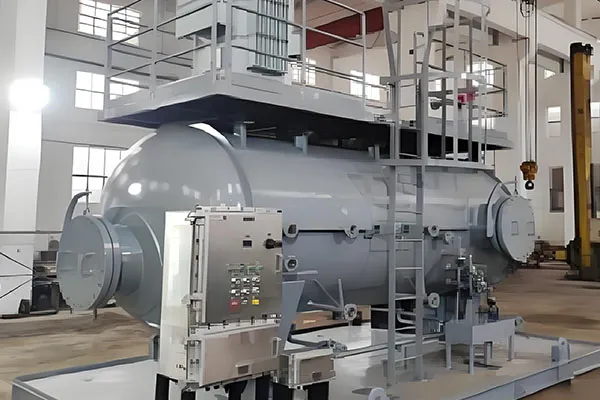
Cnooc 36-1 Crude Oil Processing Plant Electric Dehydration/Desalting Skid
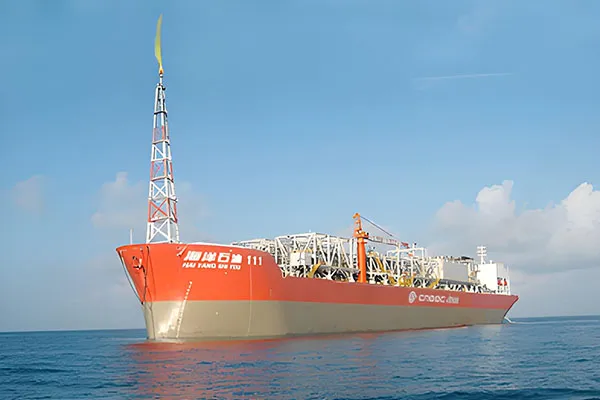
Electrostatic Coalescing Technology of CNOOC Nanhai Shengli FPSO
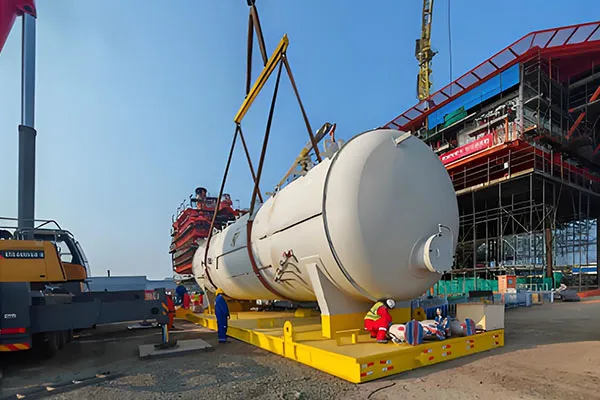
Weizhou WZ12-2WHPC Offshore Platform Electrostatic Coalination and Depolymerization Technology of CNOOC

Application of Jinxian 1-1 Offshore Platform of CNOCC

Zhengyuan Petrochemical
Create the greatest value for customers
Provide the best quality products and services
+8615896509239
Jeffrey@petrochemicalzy.com
No. 8, Xinxin Road, Luoxin Industrial Park, Xin'an County, Luoyang, China
 WhatsApp