


Get in touch
Compressor condensate is not just water. It can contain lubricating oil, acidic byproducts, particulate matter, and trace metals that make direct discharge risky and often illegal. A compressor condensate oil water separator is the equipment that removes those contaminants so the remaining water can be managed responsibly. For buyers, the challenge is that separators look similar on a specification sheet but perform very differently once installed. Sizing, oil type, discharge limits, maintenance access, and local regulations all influence the right choice. This buyer's guide explains what to evaluate before you request quotes, how to compare configurations, and which questions separate a reliable system from an expensive mistake.
Compressed air systems produce condensate whenever air is cooled after compression. Depending on the compressor, aftercooler, dryer, and ambient conditions, that condensate may contain oil carryover, water-soluble lubricant fractions, acidic compounds, dust, rust, and pipe scale. A separator receives this mixture, slows it down, and uses physical and chemical processes to separate the oil phase from the water phase.
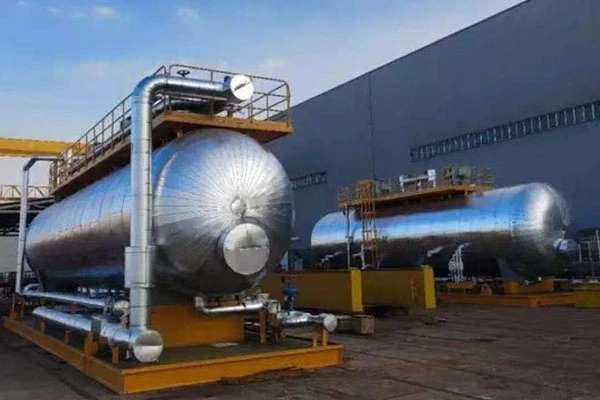
A well-designed unit usually works in stages. Gravity separation removes free oil and sludge. Coalescing media captures smaller oil droplets that would not rise quickly on their own. Adsorption media, such as activated carbon, polishes the water to reduce residual hydrocarbons. Some systems add pH adjustment, filtration, or sampling points to verify performance before discharge. The separated oil is collected for proper disposal, while the treated water may be sent to a sewer, permitted outfall, or further treatment process, depending on local rules.
The separator is not a substitute for good condensate management. It must be matched to the actual contaminant load, installed with proper drainage and ventilation, and maintained on a schedule. If it is undersized or neglected, oil can pass through, media can channel, and the facility can face compliance problems.
Two facilities with the same compressor horsepower can produce very different condensate profiles. One may use a mineral oil, another a synthetic PAO or PAG lubricant, and another may run an oil-free compressor but still collect acidic condensate and environmental contaminants. The separator must account for these differences. A unit that works well in one plant may fail quickly in another if the materials, media, or controls are not suitable.
Buyers should also consider the true cost of poor performance. Replacing media too often, disposing of oily water as hazardous waste, cleaning fouled drains, and responding to regulatory notices quickly exceed the price difference between a basic separator and a properly engineered system. The goal is not simply to buy a tank with filters. The goal is to achieve predictable discharge quality with manageable maintenance.
Start with a realistic condensate balance. Compressor capacity, duty cycle, ambient temperature, humidity, aftercooler performance, dryer type, and drain strategy all influence how much liquid reaches the separator. Cyclic drains can release slugs of condensate, so peak flow matters as much as average flow. A separator sized only for average flow may overwhelm during humid summer conditions or during periods of high demand.
Ask the compressor and dryer suppliers for condensate estimates, or use accepted psychrometric calculations for your site conditions. Then add a reasonable safety margin without selecting an oversized unit that sits idle and allows media to degrade. The correct balance is a system that can handle peak loads while maintaining proper contact time.
Identify the lubricant type, concentration, and any additional contaminants. Mineral oils, synthetic oils, and food-grade lubricants behave differently in coalescing and carbon stages. Some condensate is acidic; some contains high levels of iron or copper from piping. If the compressor is oil-free, do not assume the condensate is clean. It can still contain acidic water, particles, and trace oil from the environment or nearby equipment.
If your facility uses multiple compressor types or changes lubricants, tell the separator supplier. A system designed for one oil chemistry may not perform with another. In critical applications, pilot testing or a conservative multi-stage design may be justified.
Discharge requirements vary by location, sewer authority, and receiving water body. Common parameters include oil and grease, pH, suspended solids, and sometimes heavy metals or chemical oxygen demand. Storm drains are usually not an acceptable discharge point for compressor condensate, even if the water looks clear. Buyers should obtain written limits from the local authority and confirm what sampling, record keeping, and reporting are required.
The separator should be selected to meet those limits with a margin for real-world variation. If the limit is strict, a single gravity unit may not be sufficient. A multi-stage system with coalescing and adsorption stages, plus a sampling port, is often more defensible.
Most industrial separators use one or more of the following technologies. The right choice depends on the target discharge quality, available space, maintenance resources, and budget.
Materials should resist the condensate chemistry. Carbon steel may be acceptable for some oils but not for acidic condensate. Stainless steel, coated steel, or plastic tanks may be better in corrosive service. Look at the fittings, gaskets, valves, and drain ports. A cheap valve that seizes in oily service can turn routine maintenance into a spill risk.
Controls and alarms are also important. Level sensors, high-oil alarms, flow indicators, and sample ports help operators detect problems before discharge quality suffers. Serviceability should be evaluated before purchase: can media be changed without confined space entry, special tools, or long downtime? Are replacement parts readily available? A separator that is difficult to maintain will eventually be maintained poorly.
Separator configurations fall along a spectrum from basic to highly engineered. The following comparison highlights typical advantages and limitations, but final selection should be based on site-specific data.
Even a good separator can underperform if installation is poor. Locate the unit where it can be inspected, drained, and serviced safely. Protect it from freezing, because ice can crack tanks and block lines. Provide ventilation if condensate can release vapors. Use piping that will not sag or trap oil. If multiple drains feed one separator, confirm that the combined peak flow does not exceed capacity.
Maintenance should be based on operating data, not only on calendar intervals. Operators should check the oil layer, record pressure differentials if applicable, inspect coalescing media, and sample treated water. When oil removal efficiency drops, investigate before simply replacing media. The cause may be a change in lubricant, a failed drain valve, or a surge that bypassed the treatment stages.
Providing this information to a supplier reduces the risk of buying the wrong unit. It also makes quotes easier to compare. If a supplier cannot explain how the proposed system will meet your discharge limits, keep looking.
Supplier selection is as important as product selection. Look for a manufacturer or integrator with experience in compressed air condensate, oily water separation, and relevant environmental regulations. Ask for references in a similar industry, not just a generic brochure. Review the proposed media, replacement interval, warranty, and start-up support. Confirm that spare parts and technical service will be available after installation.
For specialized projects, working with a company that understands industrial fluids and treatment processes can simplify compliance. Zhengyuan Petrochemical, for example, serves industrial clients with petrochemical and environmental applications, and buyers can use that type of experience when evaluating separator designs. The point is not to choose a name alone, but to choose a supplier that can document performance, explain maintenance, and support the system over its operating life.
Replacement depends on condensate volume, oil concentration, media type, and operating conditions. A new installation should be monitored closely at first, with media changes based on sampling and pressure drop rather than a fixed schedule. Once trends are established, a preventive replacement interval can be set.
In most locations, storm drains are intended for uncontaminated rainwater and are not an acceptable route for compressor condensate. Even treated water may require a permit. Check with the local sewer authority or environmental regulator before choosing a discharge point.
They may still need condensate treatment. Oil-free compressors avoid lubricant carryover from the compression chamber, but condensate can contain acidic compounds, particles, and trace oil from the surrounding environment. Local discharge rules determine whether treatment is required.
Size is based on peak condensate flow, contaminant load, and target discharge quality, not compressor horsepower alone. A qualified supplier should review your compressor, dryer, drains, and site conditions before recommending a model.
A compressor condensate oil water separator is a compliance tool, a maintenance asset, and a risk control measure. Buyers should define discharge limits first, then select a configuration that matches the condensate chemistry, peak flow, and service capability. Gravity units can be adequate for light-duty needs, while coalescing and adsorption stages provide more reliable performance for regulated sites. Document everything, train operators, and choose a supplier that can support the system after the sale. Whether you work with Zhengyuan Petrochemical or another qualified provider, the best purchase is the one that keeps oil out of the discharge and keeps your facility within permit limits.
Compressor Condensate Oil Water Separator Buyer's Guide
2026-11-16 01:29Oil Water Separator Sizing Guide for Industrial Plants
2026-11-09 01:29Choosing the Right Oil Water Separator for Your Shop
2026-11-02 01:29Luoyang Zhengyuan Petrochemical Obtains Bureau Veritas (BV) Certification for Pipes, Fittings and Pressure Vessels
2026-10-31 06:44Address: No. 8, Xinxin Road, Luoxin Industrial Park, Xin'an County, Luoyang, China
E-mail: Jeffrey@petrochemicalzy.com
Phone: +8615896509239

Zhengyuan Petrochemical
Create the greatest value for customers
Provide the best quality products and services
+8615896509239
Jeffrey@petrochemicalzy.com
No. 8, Xinxin Road, Luoxin Industrial Park, Xin'an County, Luoyang, China
 WhatsApp