Get in touch
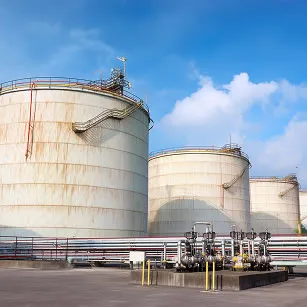
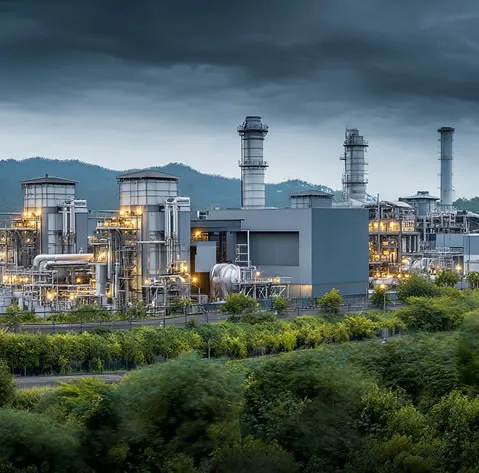
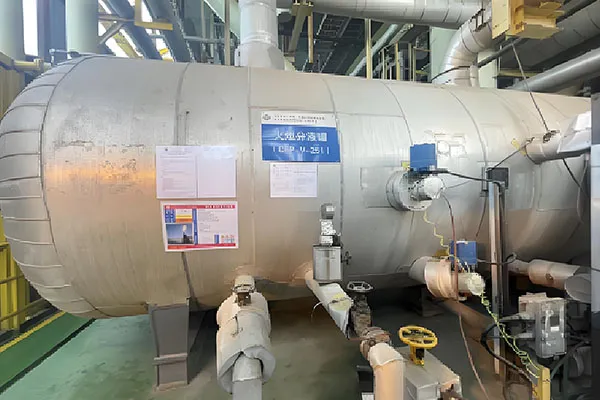
The three-phase separation of oil/gas/water is used for the separation and treatment of the products produced from oil wells or gas wells. The function of the separator is to separate the oil, gas and water into the corresponding oil-gas-water pipeline path, so as to enter the next process.
Compared with the two-phase separator, the three-phase separator has a complex structure. According to the flow rate of the processing medium, the separators are designed with different heights of baffles (weirs). The baffle plate is installed at the end of the separator. During the oil-water separation process, the medium flows from the inlet of the separator to the end. Due to the different density of the medium, the oil is separated from the oil outlet pipe at the upper end of the container through the precipitation separation of the internal structure, and the water is separated from the container. The lower water outlet flows away, thus completing the liquid separation operation.
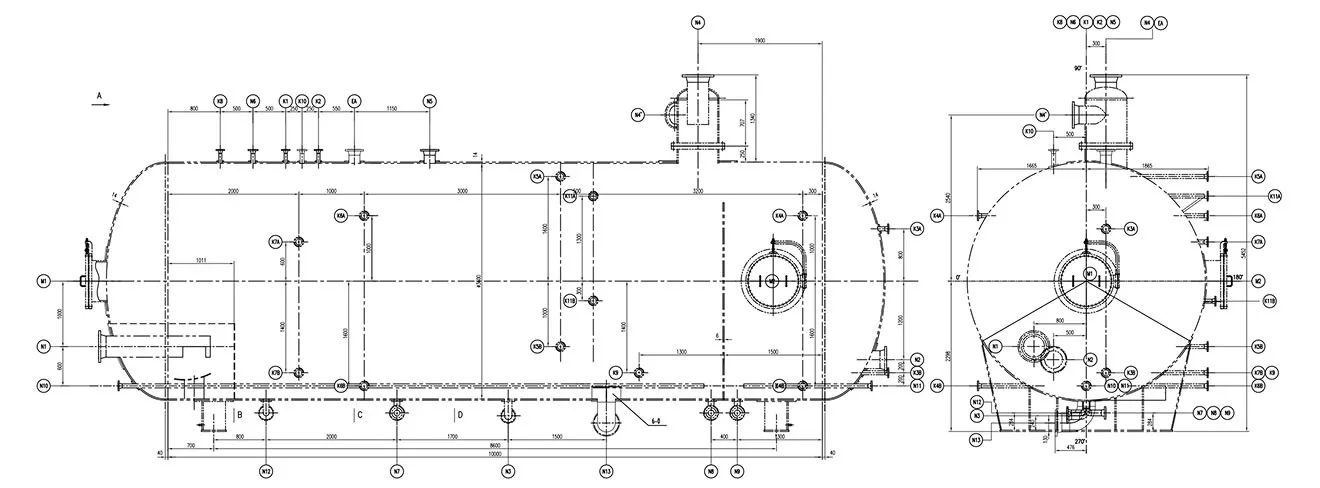
01. Horizontal Three-Phase Separators:
Description: These separators are cylindrical vessels oriented horizontally. They are widely used due to their large liquid-liquid interface area, which promotes efficient separation of oil and water, and their ability to handle larger volumes of gas and liquids.
Sub-types/Configurations:
With Overflow Weir: In this common design, oil spills over a weir plate, and the oil level is controlled by a dump valve. An interface level controller manages the water level.
With Oil Bucket and Water Weir: This design uses an oil bucket where separated oil collects after flowing over a weir. Water flows under the oil bucket and over a separate water weir. This configuration often reduces the need for an active interface controller.
Advantages:
Better for high liquid-to-gas ratios and foamy streams.
Provide longer residence times for liquid separation.
More economical for high-pressure applications as larger diameters allow for thicker walls.
Excellent for liquid-liquid separation due to a larger liquid surface area.
02. Vertical Three-Phase Separators:
Description: These separators are cylindrical vessels oriented vertically. They are more compact than horizontal separators and are often preferred when space is limited.
Sub-types/Configurations:
With Interface Control: The fluid enters through an inlet diverter. Gas rises to the top, while oil and water separate based on density, with water settling at the bottom and oil forming a middle layer.
Interface level controllers manage the oil and water levels, signaling dump valves to release the separated liquids.
With Downcomer and Spreader: This design uses a downcomer to direct the liquid phase into the vessel and a spreader at the oil-water interface to facilitate separation.
Advantages:
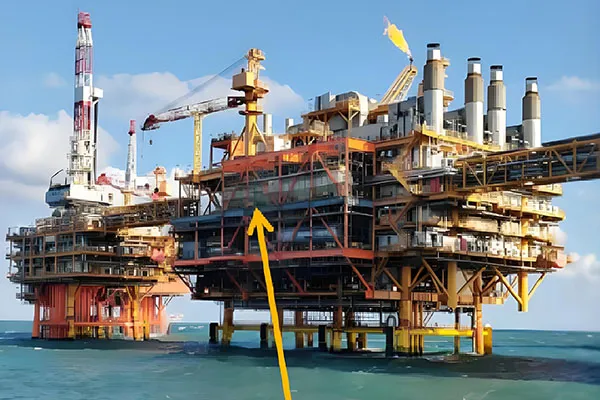
Compact footprint, ideal for offshore platforms or limited space.
Better for high gas-to-liquid ratios.
Can handle larger liquid slugs.
Less prone to re-vaporization of liquid into the gas phase due to greater vertical distance.
Often suitable for foamy crude oil.
03. Spherical Separators:
Description: These are spherical vessels designed for gas-liquid separation, though they can sometimes be used for three-phase separation in specific scenarios.
Advantages:
Compact and cost-effective for certain applications.
Portable and easy to set up.
| Size | Pressure | Entrance | Oil Export | Water Outlet | Air Outlet | Operating Temperature | Gas Throughput | Liquid Handling Capacity | Medium |
| 3000x900mm | 1.7Mpa | DN50 | DN50 | DN50 | DN100 | Max 90°C | 1-1 Million Cubic Meters | 500-30000 Thin/Day | Oil and Gas Water |
| 3000x900mm | 3.5Mpa | DN100 | DN50 | DN50 | DN100 | ||||
| 3000x900mm | 10Mpa | DN100 | DN50 | DN50 | DN100 | ||||
| 3000x1200mm | 0.9Mpa | DN200 | DN80 | DN80 | DN200 | ||||
| 3000x1200mm | 1.7Mpa | DN150 | DN80 | DN80 | DN150 | ||||
| 3000x1200mm | 3.5Mpa | DN150 | DN80 | DN80 | DN150 | ||||
| 4500x1200mm | 0.9Mpa | DN200 | DN80 | DN80 | DN200 | ||||
| 4500x1200mm | 3.5Mpa | DN150 | DN80 | DN80 | DN150 | ||||
| 4500x1200mm | 10Mpa | DN150 | DN50 | DN50 | DN150 | ||||
| 5000x1200mm | 1.7Mpa | DN150 | DN80 | DN80 | DN150 | ||||
| 6000x1200mm | 2.0Mpa | DN200 | DN80 | DN80 | DN200 | ||||
| 4500x1800mm | 0.9Mpa | DN200 | DN80 | DN80 | DN200 | ||||
| 4500x1800mm | 1.7Mpa | DN200 | DN80 | DN80 | DN200 | ||||
| 4500x1800mm | 3.5Mpa | DN150 | DN80 | DN80 | DN150 | ||||
| 4500x1800mm | 1.7Mpa | DN200 | DN80 | DN80 | DN200 |
Measurement: Quantifies the amount of liquid (oil and/or water) entrained in the outgoing gas stream. This is often expressed as liquid volume per unit of gas (e.g., barrels per million standard cubic feet, or gallons per MMSCF).
Impact: High liquid carryover can damage downstream equipment like compressors, foul reboilers in gas processing units, and lead to off-spec gas products.
Target: For sales gas, this must be extremely low, often in the range of very fine droplets or parts per million (ppm).

Zhengyuan Petrochemical
Create the greatest value for customers
Provide the best quality products and services
+861589659239
zypetrochem@gmail.com
No. 8, Xinxin Road, Luoxin Industrial Park, Xin'an County, Luoyang, China
 WhatsApp