



Get in touch
In the oil refining industry, atmospheric distillation units (ADUs) serve as the backbone of crude oil processing, separating crude into various fractions such as naphtha, kerosene, diesel, and atmospheric residue. Despite their central role, ADUs are highly sensitive to feedstock quality, and one often overlooked parameter is the salt content in crude oil. Understanding the impact of salt content on refinery atmospheric distillation units is crucial for maintaining operational efficiency, prolonging equipment lifespan, and preventing costly downtime.
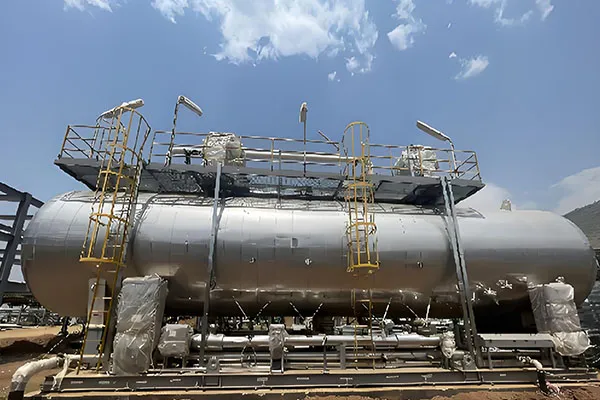
Crude oil is rarely free from impurities. Among these, salts—primarily sodium chloride, calcium chloride, and magnesium chloride—are commonly found, often dissolved in the water fraction associated with crude oil. When crude is extracted from offshore fields, the salt content can be particularly high due to seawater contamination during production or transportation. High salt levels not only compromise refining processes but also pose serious threats to unit integrity.
One of the most immediate consequences of high salt content in crude oil is the accelerated fouling and corrosion of heat exchangers. Salts precipitate under high temperatures in ADUs, forming scale on heat transfer surfaces. This scale reduces heat transfer efficiency, forcing refineries to consume more fuel to maintain the desired temperature profile. Over time, metal surfaces corrode, leading to leaks or complete equipment failure.
In distillation columns, salt deposition at the base can disrupt tray or packing performance, reducing separation efficiency. Operators may notice a shift in the cut points of naphtha, kerosene, and diesel fractions, causing downstream units to experience unanticipated load variations. If unchecked, these variations can cascade into product quality issues and compliance failures with refinery specifications.
The presence of salt in crude not only affects mechanical integrity but also operational safety. Salt-induced corrosion can lead to leaks of hot hydrocarbons, increasing the risk of fires or explosions. Additionally, excessive salt deposits can obstruct instrumentation or safety valves, compromising control systems. This underscores the importance of monitoring salt content as part of the refinery's safety management plan.
Refineries employ several strategies to mitigate the negative impact of salt on ADUs:
Desalting Units: The most common approach is the installation of crude desalters before the atmospheric distillation unit. Desalters use electrostatic coalescers to separate water and dissolved salts from crude, achieving significant reductions in salt content.
Process Water Management: Ensuring the use of low-salinity water in processing and avoiding seawater contamination during crude handling can substantially reduce salt-related problems.
Material Selection: Selecting corrosion-resistant alloys for critical components such as heat exchangers and column internals can extend the life of ADUs exposed to higher salt levels.
Operational Monitoring: Regular monitoring of salt content and implementing predictive maintenance schedules help detect early signs of fouling or corrosion, preventing unexpected shutdowns.
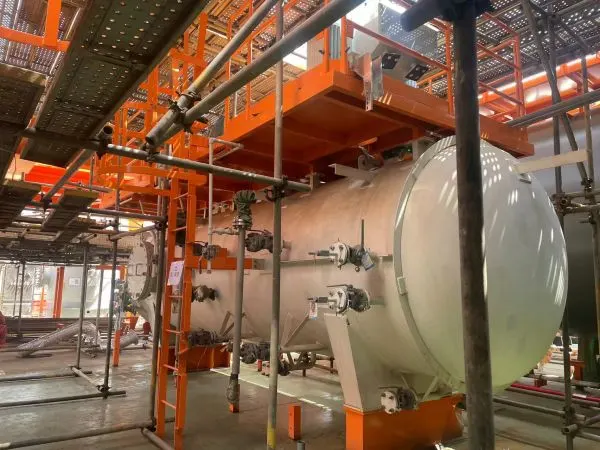
Ignoring the impact of salt in crude oil can be financially detrimental. Increased fouling leads to higher fuel consumption, frequent maintenance requires costly shutdowns, and equipment replacements can run into millions of dollars. Conversely, effective salt management improves energy efficiency, extends equipment lifespan, and ensures consistent product quality—all of which enhance refinery profitability.
The impact of salt content on refinery atmospheric distillation units is a multi-faceted challenge affecting operational efficiency, safety, and economics. By understanding the mechanisms of salt-induced corrosion and fouling, refineries can implement effective desalting, monitoring, and maintenance strategies. These measures not only protect valuable infrastructure but also support sustainable and cost-efficient refining operations. For refinery operators and engineers, prioritizing salt management is not merely a technical choice; it is a strategic decision that directly influences the reliability and profitability of the entire refining process.
Refineries that actively monitor and control salt content in their feedstock position themselves to achieve higher operational stability, lower maintenance costs, and superior product quality. As crude oil sources diversify and increasingly complex blends enter the market, a proactive approach to salt management will become even more critical in maintaining the competitive edge of modern refineries.
How Oil Water Separators Meet EPA Wastewater Limits
2026-10-26 01:29From Lab to Field: Scaling Electrostatic Coalescer Technology
2026-10-19 01:29Electrostatic Coalescer Safety: Handling High Voltage in Hazardous Areas
2026-10-12 01:29Nanoparticle-Enhanced Electrostatic Coalescers: Next-Gen Efficiency
2026-10-05 01:29Address: No. 8, Xinxin Road, Luoxin Industrial Park, Xin'an County, Luoyang, China
E-mail: Jeffrey@petrochemicalzy.com
Phone: +8615896509239

Zhengyuan Petrochemical
Create the greatest value for customers
Provide the best quality products and services
+8615896509239
Jeffrey@petrochemicalzy.com
No. 8, Xinxin Road, Luoxin Industrial Park, Xin'an County, Luoyang, China
 WhatsApp