



Get in touch
In the refining of crude oil, desalters play a pivotal role in removing salts, water, and suspended solids to prevent corrosion, fouling, and operational inefficiencies in downstream equipment. Among the challenges faced by operators, the formation of rag layers in crude oil desalters remains a critical issue that can compromise separation efficiency and reduce overall plant performance. Understanding how to manage rag layer formation in crude oil desalters is essential for ensuring stable operation, reducing maintenance costs, and maximizing crude oil processing efficiency.
A rag layer is a viscous, gel-like accumulation of emulsified water, solids, and crude oil components that forms at the interface between the oil and water phases in a desalter. Unlike the clean water-oil interface that allows for efficient separation, a rag layer acts as a physical barrier, trapping salts and water, and preventing the effective removal of contaminants. Over time, this layer can thicken and adhere to internal components such as electrodes, baffles, and the desalter walls, leading to increased electrical consumption in electrostatic desalters, reduced salt removal efficiency, and even equipment fouling.
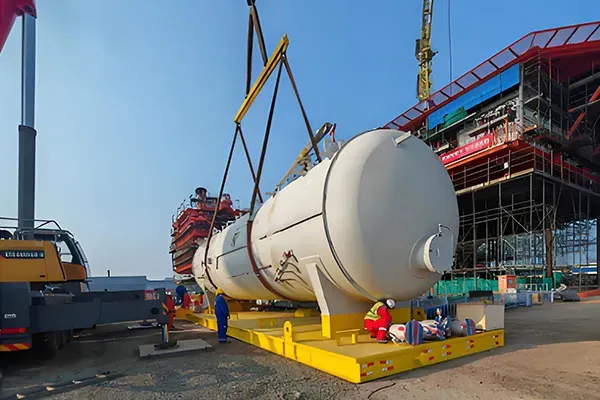
Several factors contribute to the formation of rag layers in crude oil desalters. First, crude oil composition plays a significant role. High asphaltene and resin content in certain crudes can promote the stabilization of water-in-oil emulsions, which are resistant to coalescence and prone to rag layer formation. Second, inadequate mixing of wash water with the crude oil can leave pockets of emulsified water, which over time aggregate into a rag layer. Third, operational parameters such as temperature, chemical dosing, and flow velocity affect emulsion stability. Low temperatures and insufficient demulsifier dosing often exacerbate rag layer formation.
The presence of a rag layer has direct implications on desalter performance. Firstly, it reduces the effectiveness of salt removal. Even if the desalter is designed for high-efficiency separation, the rag layer acts as a barrier, allowing salts to bypass the electrostatic field. Secondly, the accumulation of this layer can increase maintenance requirements and downtime. Cleaning electrodes and desalter internals is labor-intensive and may require plant shutdowns, which affect overall throughput. Thirdly, the rag layer may contribute to corrosion and scaling in downstream units, including heaters, exchangers, and distillation columns, further impacting plant safety and reliability.
Optimize Crude Oil Temperature: Maintaining crude oil at an appropriate temperature is critical. Elevated temperatures reduce viscosity and improve water droplet coalescence, making it easier for water and salts to separate from the oil. Operators should monitor inlet and outlet temperatures to ensure they remain within recommended ranges for effective separation.
Chemical Demulsifier Dosing: Proper use of chemical demulsifiers can break water-in-oil emulsions and prevent rag layer formation. Selecting the right type of demulsifier, dosing rate, and injection point is crucial. Operators should rely on laboratory testing and continuous monitoring to adjust dosages according to changing crude properties.
Electrode Maintenance and Adjustment: In electrostatic desalters, electrodes must be properly aligned and cleaned to ensure uniform electric fields. Regular inspection helps prevent rag layers from adhering to surfaces and impeding separation. Some operators also implement periodic electrode polarity reversal to reduce accumulation.
Optimized Water Injection: Wash water plays a key role in salt removal. Ensuring even distribution and proper mixing of wash water with crude oil prevents localized pockets of emulsified water that can contribute to rag layers. Flow distribution devices or improved injection nozzles can enhance mixing efficiency.
Mechanical and Hydraulic Adjustments: Rag layers can sometimes be minimized through operational adjustments, such as controlling flow rates to reduce turbulence or using coalescer internals to promote water droplet aggregation. Maintaining appropriate retention time in the desalter also improves separation.
Regular Monitoring and Diagnostics: Operators should implement routine monitoring of emulsion characteristics, conductivity, and water content in crude oil. Modern online sensors and process analytics allow real-time detection of rag layer formation, enabling proactive intervention before efficiency drops significantly.
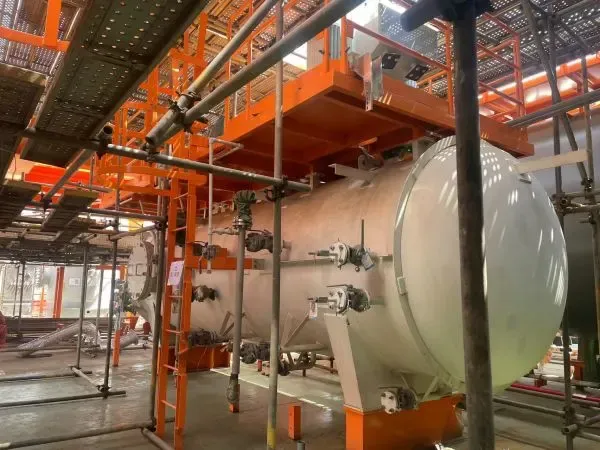
Long-term management of rag layer formation requires an integrated approach. Refiners should maintain a comprehensive crude quality database to anticipate changes in crude composition that affect emulsion stability. Continuous training of operations personnel ensures proper chemical handling and timely response to rag layer buildup. In addition, integrating advanced process control systems can optimize temperature, water injection, and demulsifier dosing, maintaining steady-state operation and preventing rag layer accumulation.
Managing rag layer formation in crude oil desalters is a critical aspect of refinery operation that directly impacts efficiency, equipment lifespan, and safety. By understanding the causes, monitoring operational parameters, and implementing targeted strategies such as temperature control, chemical dosing, and electrode maintenance, refiners can effectively mitigate the risks associated with rag layers. Adopting a proactive, data-driven approach ensures continuous improvement in desalting performance, higher crude quality, and reduced operational costs.
For refineries seeking to enhance crude oil desalting efficiency, a structured focus on how to manage rag layer formation in crude oil desalters not only preserves equipment integrity but also contributes to optimized throughput and consistent product quality. Regular evaluation of desalter operations combined with preventive strategies will help maintain high separation efficiency and minimize the impact of rag layers on production.
Electrostatic Coalescer Safety: Handling High Voltage in Hazardous Areas
2026-10-12 01:29Nanoparticle-Enhanced Electrostatic Coalescers: Next-Gen Efficiency
2026-10-05 01:29Top 10 Questions When Selecting an Electrostatic Coalescer Vendor
2026-09-28 01:29Electrostatic Coalescer for Produced Water Treatment: Benefits Explored
2026-09-21 01:29Address: No. 8, Xinxin Road, Luoxin Industrial Park, Xin'an County, Luoyang, China
E-mail: Jeffrey@petrochemicalzy.com
Phone: +8615896509239

Zhengyuan Petrochemical
Create the greatest value for customers
Provide the best quality products and services
+8615896509239
Jeffrey@petrochemicalzy.com
No. 8, Xinxin Road, Luoxin Industrial Park, Xin'an County, Luoyang, China
 WhatsApp