



Get in touch
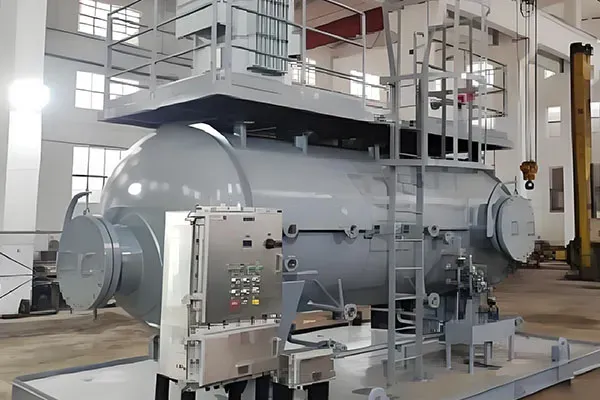
Electrostatic desalters are essential components in modern oil refineries and petrochemical plants. They remove water, salts, and other impurities from crude oil before it enters downstream processing units. Ensuring the stable operation of electrostatic desalters is critical for plant efficiency, safety, and equipment longevity. One of the recurring operational challenges is transformer tripping, which can disrupt the entire desalting process and lead to significant downtime. Understanding the causes of transformer tripping in electrostatic desalters is crucial for maintenance engineers and plant operators to prevent repeated failures and optimize system performance.
1. Electrical Overload
One of the primary causes of transformer tripping in electrostatic desalters is electrical overload. Transformers in desalting units are designed to handle a specific load, primarily determined by the power required to generate the high-voltage electrostatic field. When the transformer is subjected to a load beyond its rated capacity, excessive current flows through the windings. Modern transformers are equipped with protective relays that detect this condition and trip the system to prevent permanent damage. Overloads can result from prolonged high-volume crude processing, sudden changes in crude composition, or improper transformer sizing during the design stage.
2. Short Circuit and Insulation Failures
Short circuits are another major contributor to transformer tripping. In electrostatic desalters, high-voltage electrodes are immersed in crude oil, which may contain contaminants such as water, salt, or fine solids. If any conductive path forms between the transformer output and the grounded vessel, it can cause a sudden short circuit. Additionally, insulation degradation over time due to thermal stress, chemical exposure, or moisture ingress can lead to internal faults. Protective systems detect the sudden surge in current and trip the transformer to safeguard both the equipment and personnel.
3. Voltage Fluctuations
Electrostatic desalters operate optimally under stable high-voltage conditions. Fluctuations in the supply voltage, either from the plant’s electrical grid or upstream transformers, can stress the desalter transformer. When voltage rises beyond safe limits, the transformer experiences overvoltage conditions, potentially triggering trips. Conversely, voltage sags may cause under-excitation, leading to overheating of the windings. Regular monitoring of input voltage and using voltage stabilizers can significantly reduce transformer tripping incidents caused by voltage fluctuations.
4. Excessive Moisture and Emulsion Formation
The very nature of crude oil processing means that electrostatic desalters frequently handle water-in-oil emulsions. If the emulsion level is too high or the water content exceeds design parameters, the electrical conductivity between electrodes increases. This elevated conductivity can create abnormal currents that the transformer is not designed to handle, resulting in tripping. Preventing this issue requires careful monitoring of water content, proper chemical dosing to break emulsions, and regular cleaning of electrode surfaces to maintain effective separation.
5. Mechanical or Environmental Factors
While electrical causes dominate, mechanical and environmental factors can also trigger transformer trips. Vibrations, loose connections, or physical damage to transformer windings and terminals can induce electrical anomalies. Similarly, high ambient temperatures or inadequate cooling of the transformer oil can lead to overheating, prompting automatic trip protection. Proper installation, periodic maintenance, and temperature monitoring are critical in mitigating such risks.
6. Preventive Measures and Best Practices
Understanding the causes of transformer tripping in electrostatic desalters is only half the solution. Preventive measures are equally important to maintain operational reliability. Some best practices include:
Regular Inspection and Maintenance: Conducting periodic inspections of transformer insulation, electrodes, and connections can identify potential issues before they escalate.
Load Management: Monitoring crude throughput and ensuring that the transformer operates within its rated capacity helps avoid overload trips.
Chemical Treatment Optimization: Adjusting demulsifier dosage and controlling water content in the crude stream reduces abnormal conductivity and improves transformer stability.
Environmental Control: Maintaining proper ambient conditions, adequate cooling, and vibration isolation protects the transformer from non-electrical stresses.Protective Relay Calibration: Ensuring that protective relays are correctly set for the transformer’s load and operational conditions helps distinguish between transient disturbances and genuine faults.
By combining these preventive measures with careful monitoring, refinery operators can significantly reduce the frequency of transformer trips, increase desalter efficiency, and prolong transformer lifespan.
Transformer tripping in electrostatic desalters is a complex phenomenon influenced by multiple factors, including electrical overload, short circuits, voltage fluctuations, excessive moisture, and environmental stressors. Identifying and addressing these causes of transformer tripping in electrostatic desalters is essential for reliable operation, reduced downtime, and improved process efficiency. Implementing a structured maintenance program, monitoring electrical and process parameters, and applying preventive measures can greatly enhance the performance and safety of electrostatic desalters. For refinery engineers and plant managers, understanding these causes is the first step toward achieving uninterrupted and efficient crude oil desalting operations.
Electrostatic Coalescer Safety: Handling High Voltage in Hazardous Areas
2026-10-12 01:29Nanoparticle-Enhanced Electrostatic Coalescers: Next-Gen Efficiency
2026-10-05 01:29Top 10 Questions When Selecting an Electrostatic Coalescer Vendor
2026-09-28 01:29Electrostatic Coalescer for Produced Water Treatment: Benefits Explored
2026-09-21 01:29Address: No. 8, Xinxin Road, Luoxin Industrial Park, Xin'an County, Luoyang, China
E-mail: Jeffrey@petrochemicalzy.com
Phone: +8615896509239

Zhengyuan Petrochemical
Create the greatest value for customers
Provide the best quality products and services
+8615896509239
Jeffrey@petrochemicalzy.com
No. 8, Xinxin Road, Luoxin Industrial Park, Xin'an County, Luoyang, China
 WhatsApp