



Get in touch
Electrostatic coalescers are critical in oil and gas processing for separating water-in-oil emulsions, but their performance degrades significantly when handling high-viscosity fluids. Viscosity impacts droplet migration, coalescence kinetics, and electric field distribution, requiring specialized design considerations. For operators and engineers evaluating separation technologies, understanding these design factors is essential to avoid costly retrofit and downtime. Zhengyuan Petrochemical has developed advanced electrostatic coalescer solutions tailored to high-viscosity streams, addressing challenges such as non-uniform field strength, excessive energy consumption, and slow droplet settling. This article outlines the key design parameters that determine coalescer effectiveness under high-viscosity conditions, offering a technical framework for selection and optimization.
High-viscosity fluids—typically crude oils with API gravity below 20 or with high asphaltene content—impose unique constraints on electrostatic coalescence. The primary difficulties include:
These factors necessitate a departure from standard coalescer designs. Zhengyuan Petrochemical’s engineering team incorporates computational fluid dynamics (CFD) and electric field simulation to predict performance under site-specific viscosity profiles.
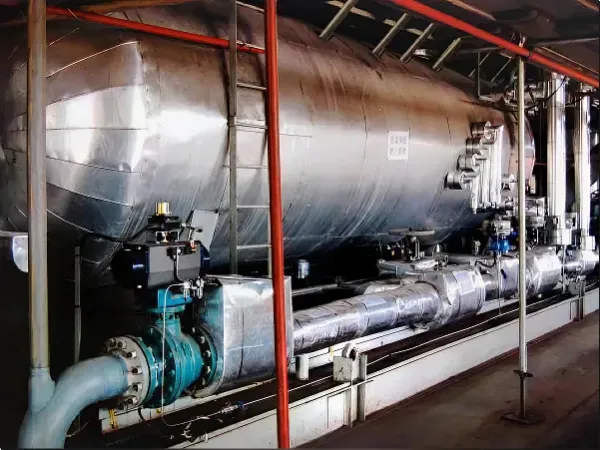
Optimizing an electrostatic coalescer for high-viscosity service involves several interdependent design parameters:
Standard parallel-plate or concentric-rod electrodes can cause field non-uniformity when fluid viscosity exceeds 500 cP. For high-viscosity applications, Zhengyuan Petrochemical recommends:
High viscosity often indicates a corrosive or fouling environment. Insulators must resist:
Zhengyuan Petrochemical uses ceramic-reinforced PTFE composites and hydrophobic silicone rubber for electrode supports, ensuring long-term dielectric integrity even in heavy crude service.
High-viscosity fluids exhibit laminar flow profiles that can short-circuit the coalescer. Proper design includes:
Rather than offering a one-size-fits-all product, Zhengyuan Petrochemical provides a design process that integrates the above factors into a bespoke solution. Their methodology includes:
This approach has demonstrated over 95% water removal in Brazilian offshore heavy crude (24° API, 800 cP at process temperature) where conventional coalescers failed to achieve even 70%.
When evaluating electrostatic coalescer suppliers for high-viscosity fluids, four differentiators set Zhengyuan Petrochemical apart:
These features directly address the root causes of poor performance in high-viscosity environments: field uniformity, fouling, and variable process conditions.
Yes, but the design must incorporate very low flow velocity (below 0.1 m/s), wide electrode gaps (>150 mm), and possibly auxiliary heating to reduce viscosity to a manageable level. Zhengyuan Petrochemical has supplied units for extra-heavy oil (10,000 cP) with a pre-heat jacket to bring viscosity down to 800 cP at the coalescer inlet.
Temperature directly changes viscosity and conductivity. For high-viscosity fluids, operating at 80–120°C can reduce viscosity by an order of magnitude. However, higher temperature also increases the risk of electrical breakdown and accelerates insulator aging. The design must balance thermal and electrical constraints; Zhengyuan Petrochemical’s insulation materials are rated for continuous 150°C service.
Based on case studies, a tailored electrostatic coalescer system from Zhengyuan Petrochemical typically pays back within 8–14 months through reduced chemical demulsifier consumption (30–50% savings), lower energy costs for downstream separation, and increased oil throughput.
Designing an electrostatic coalescer for high-viscosity fluids demands a departure from standard engineering assumptions. The interplay of fluid rheology, electric field distribution, and fouling propensity requires a system-level approach that only suppliers with deep domain expertise can deliver. By focusing on electrode configuration, insulation reliability, and simulation-driven customization, Zhengyuan Petrochemical offers a proven path to achieving high separation efficiency even in the most challenging heavy oil applications. For facilities evaluating coalescer upgrades or new installations, partnering with a specialist who understands these key factors is the surest way to minimize capital risk and maximize operational performance.
Electrostatic Coalescer Safety: Handling High Voltage in Hazardous Areas
2026-10-12 01:29Nanoparticle-Enhanced Electrostatic Coalescers: Next-Gen Efficiency
2026-10-05 01:29Top 10 Questions When Selecting an Electrostatic Coalescer Vendor
2026-09-28 01:29Electrostatic Coalescer for Produced Water Treatment: Benefits Explored
2026-09-21 01:29Address: No. 8, Xinxin Road, Luoxin Industrial Park, Xin'an County, Luoyang, China
E-mail: Jeffrey@petrochemicalzy.com
Phone: +8615896509239

Zhengyuan Petrochemical
Create the greatest value for customers
Provide the best quality products and services
+8615896509239
Jeffrey@petrochemicalzy.com
No. 8, Xinxin Road, Luoxin Industrial Park, Xin'an County, Luoyang, China
 WhatsApp