


Get in touch
Before comparing electrostatic coalescer suppliers, put their proposals on the same basis: feed conditions, outlet requirements and scope of supply. A price for a vessel and electrodes cannot be compared directly with one for a complete skid package. An outlet water figure is equally difficult to assess without the operating conditions behind it.
For EPC contractors, offshore fabricators and system integrators, the review also needs to establish how the package will connect to the rest of the facility and who will handle the site work. Use these ten questions to structure technical clarifications for a crude oil dehydration system or electrostatic desalter package.
Start with the project data you have, and mark preliminary values clearly. The supplier needs to know what the equipment will receive and what the treated oil must meet:
If one proposal uses different feed conditions or outlet targets, resolve those differences before comparing equipment or price. Where data are missing, have the supplier state its assumptions and identify what must be confirmed before the design is finalized.
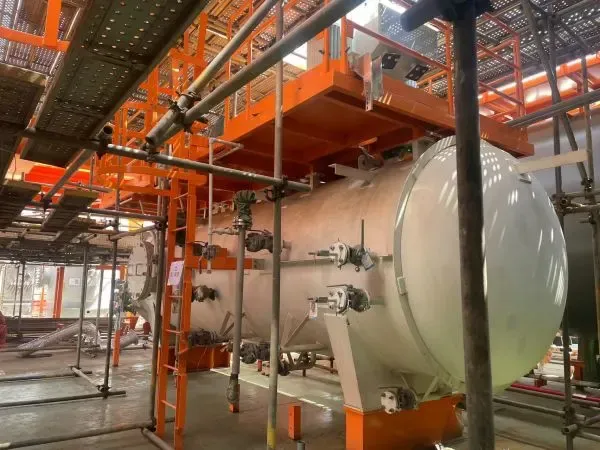
An electrostatic dehydrator helps dispersed water droplets coalesce so they can separate from crude oil. Removing that brine also removes the salts dissolved in it. A desalting duty may additionally require wash-water mixing to meet the specified salt limit.
Have the supplier explain how the proposed treatment stages, wash-water arrangement and chemical requirements address your feed and outlet targets. The electrostatic coalescence principle explains the mechanism; the proposal still needs to show how it will be applied to your project.
Before comparing prices, check what each quotation includes. Does it cover the vessel and electrodes only, or also the high-voltage power equipment, piping, valves, instruments, controls and structural skid?
Have each supplier list the package boundaries, exclusions and separately priced options. Pay particular attention to wash water, heating, chemical injection, drains, electrical power and connections to other systems. For each interface, establish what the supplier provides and what the EPC contractor or yard must provide.
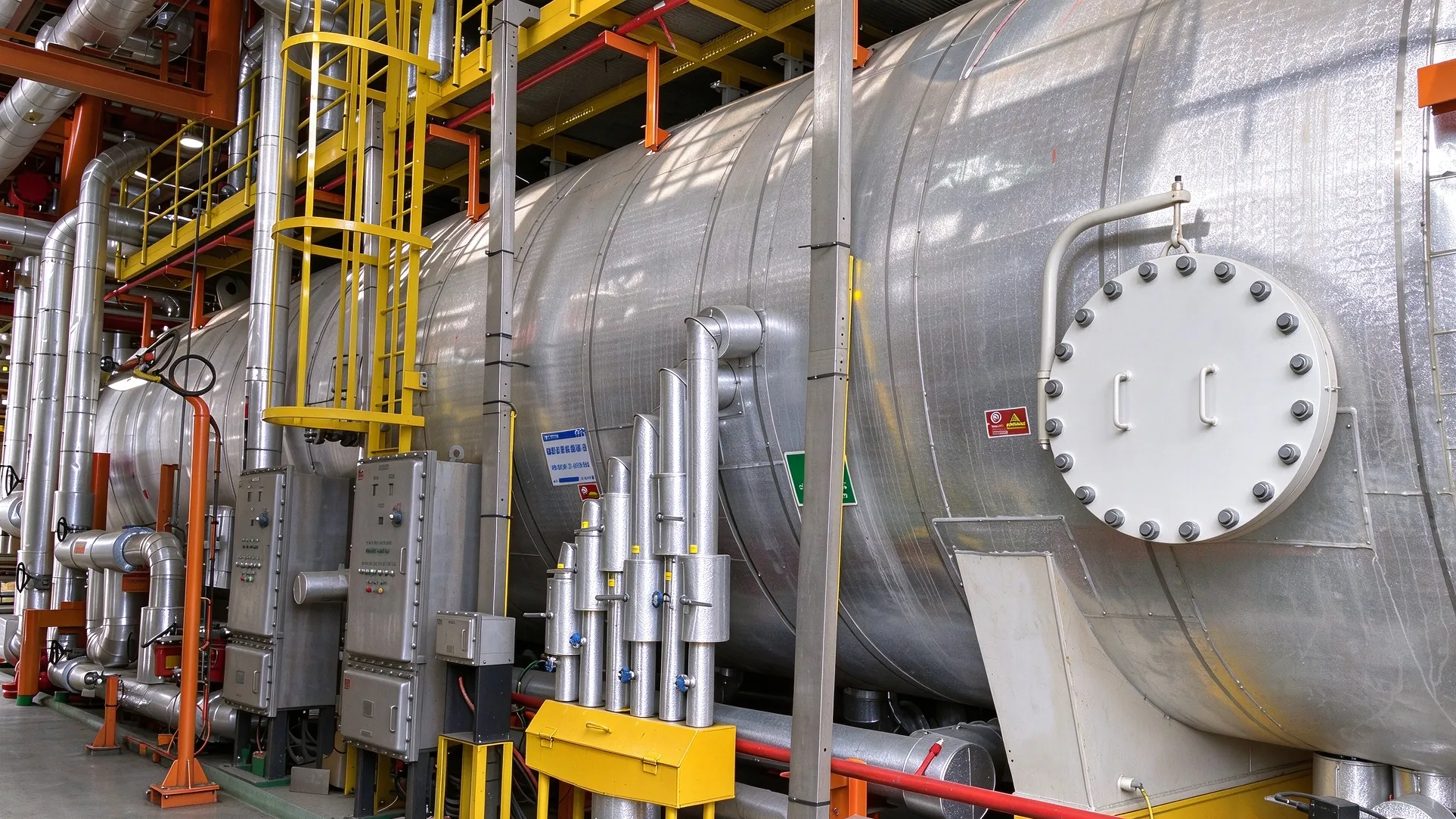
Review the package against the space and access available on the facility. Footprint and weight matter, but so do lifting arrangements, transport constraints, maintenance access and utilities. Check these against the proposed layout before it is finalized.
For an FPSO, establish who will assess vessel-motion effects and supply the associated design inputs. Hazardous-area requirements and control-system interfaces also need named responsibilities across the equipment supplier, yard and EPC contractor. Record the agreed interfaces in the project documents.
Use the project specifications to agree a vendor document register. Depending on the scope, this may include process and equipment data sheets, a process flow diagram, a piping and instrumentation diagram (P&ID), general arrangement drawings, interface information and operating manuals.
Then check the proposed design codes, inspection plan and any required certification or third-party review. Request evidence for the equipment being offered. A general company brochure does not show whether a particular package meets the project requirements.

A project name alone tells you little about the supplier's role. Did it provide technology or internals, deliver the complete package, modify an existing vessel, or carry out installation and commissioning?
Match that role to the work you are buying. Then look at the conditions that make the reference relevant: crude properties, inlet water content, treatment duty, offshore installation or equipment constraints. If details are confidential, establish what supporting material can be reviewed under suitable confidentiality arrangements.
At an existing facility, assess the current equipment before deciding to replace it. A retrofit review needs the available vessel data and drawings, current operating conditions and a clear description of the treatment problem.
Compare the proposed work with the equipment's remaining condition, site access and shutdown requirements. The review should make clear which parts will be retained, modified or replaced, and what site work each option involves. Any proposed performance improvement needs an agreed operating basis; it should not rest on a general claim about capacity gains or installation time.
Read each proposed outlet figure alongside its feed basis, throughput, temperature and pressure. If those conditions differ between bids, the figures do not provide a common basis for evaluation.
Before award, agree the sampling locations, test methods, operating period and responsibility for suitable feed and utilities. Keep factory inspection and functional testing distinct from process-performance verification under the agreed operating conditions. Put any guarantees, exclusions, acceptance criteria and remedies in the project agreement.
Follow the work through from delivery to handover. Allocate installation, site connections, checks and commissioning to the responsible parties. For offshore work, include mobilization, site access and coordination with other contractors, and check which activities are included in the price.
Zhengyuan's EPCIC services cover engineering, procurement, construction, installation and commissioning, including offshore installation and commissioning. The equipment and service scope is agreed for each project, so the EPC contractor or yard can identify the interfaces it must manage.
Establish what the operating team will receive: training, operating and maintenance documentation, troubleshooting assistance and arrangements for spare parts. Clarify how to report a problem, what information is needed for diagnosis, and how remote assistance or a site visit would be arranged.
Zhengyuan provides training, remote technical assistance and ongoing after-sales technical support. Specify the required support scope, warranty terms and any response commitments in the offer and contract.
Zhengyuan designs and supplies complete skid-mounted crude oil dehydration and desalting packages for offshore platforms, FPSOs and onshore facilities, with EPCIC and after-sales support.
Send your RFQ or available design basis, required supply scope, installation location and expected schedule. If some data are still preliminary or missing, identify them and state the project stage. The crude oil dehydration assessment page outlines the project information needed for an initial review.
Contact Zhengyuan to discuss your package requirements and project interfaces.
Oil Water Separator Sizing Guide for Industrial Plants
2026-11-09 01:29Choosing the Right Oil Water Separator for Your Shop
2026-11-02 01:29Luoyang Zhengyuan Petrochemical Obtains Bureau Veritas (BV) Certification for Pipes, Fittings and Pressure Vessels
2026-10-31 06:44Milestone Achieved: Luoyang Zhengyuan Petrochemical Successfully Obtains RINA Factory Approval Certificate
2026-10-28 08:25Address: No. 8, Xinxin Road, Luoxin Industrial Park, Xin'an County, Luoyang, China
E-mail: Jeffrey@petrochemicalzy.com
Phone: +8615896509239

Zhengyuan Petrochemical
Create the greatest value for customers
Provide the best quality products and services
+8615896509239
Jeffrey@petrochemicalzy.com
No. 8, Xinxin Road, Luoxin Industrial Park, Xin'an County, Luoyang, China
 WhatsApp