



Get in touch
Copper-nickel alloys have earned a solid reputation in the shipbuilding and marine engineering sectors. These materials are favored not only for their exceptional corrosion resistance but also for their mechanical stability, resistance to biofouling, and ability to withstand long-term immersion in seawater. They are widely used in components such as seawater piping systems, heat exchanger tubing, valve bodies, and various structural ship fittings.
Even though copper-nickel offers natural advantages over many other marine metals, neglecting proper maintenance can still shorten its service life or reduce system efficiency. This guide provides practical, experience-based maintenance methods that help ship operators, marine engineers, and maintenance teams keep copper-nickel alloy fittings in optimal condition.
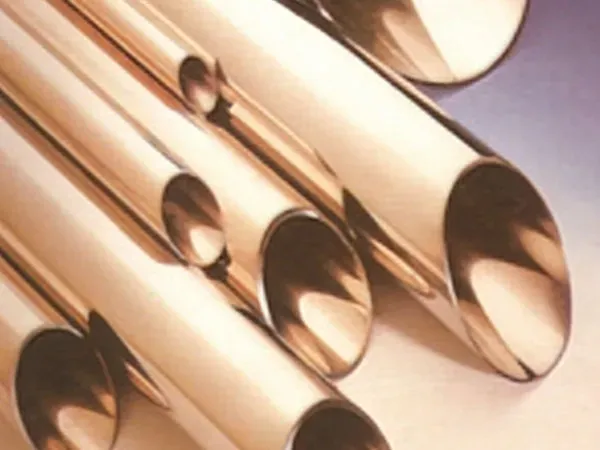
Although copper-nickel alloys inherently resist corrosion and microbial attachment better than stainless steel or carbon steel, they are not completely immune to marine growth. Over time, algae, barnacles, and shell organisms can accumulate on exposed surfaces, affecting water flow, heat transfer efficiency, and overall system performance.
Recommended Cleaning Methods
Manual Cleaning
Use soft brushes, fine pads, or non-abrasive scrapers to remove deposits. The goal is to eliminate marine growth while avoiding scratches or surface damage that could trigger localized corrosion.
Water Jet Cleaning
High-pressure water jets are effective for removing stubborn deposits on hull fittings or external piping systems. This method minimizes physical contact with the alloy and helps preserve surface integrity.
Chemical Cleaning
For severe biofouling, select mild, marine-approved chemical agents designed for copper-nickel materials. Strong acids or aggressive solvents can react with the metal’s surface and should be avoided unless recommended by the manufacturer.
Copper-nickel alloys perform exceptionally well in seawater environments, but they can still experience selective corrosion or erosion, particularly under high velocity or turbulent flow.
Inspection Focus Areas
Surface Discoloration or Pitting
Early signs of deterioration often appear as uneven color changes, pin-sized pits, or rough surface textures.
Welded or Threaded Sections
Connection points are more susceptible to stress and water turbulence. Regular inspection of weld seams, flanges, and threaded joints is essential.
Non-Destructive Testing (NDT)
For thicker components or critical systems, ultrasonic thickness measurement or eddy current testing helps detect wall loss before it becomes a structural issue.
Galvanic corrosion can occur when copper-nickel fittings are in electrical contact with dissimilar metals, especially in the presence of seawater.
Best Practices
Use Isolation Materials
Apply rubber gaskets, insulating sleeves, or plastic spacers to separate copper-nickel from metals like steel or aluminum.
Maintain Proper Bonding and Grounding
Ensuring uniform electrical potential across the system reduces the risk of galvanic current formation.
Avoid Unfavorable Metal Pairings
Components that are far apart in the galvanic series should not be directly paired without protection.
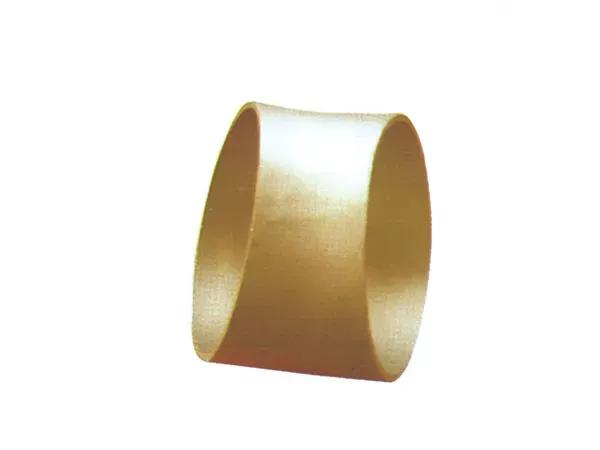
While copper-nickel alloys typically do not require additional coatings, supplementary protection can be helpful for applications in polluted, warm, or high-growth marine zones.
Coating Recommendations
Anti-Fouling Paints
Use marine-grade coatings compatible with copper-based alloys to slow fouling growth on external surfaces.
Epoxy or Polymer Coatings
These can shield fittings installed in splash zones or areas with strong mechanical abrasion.
Routine Inspection
Coated surfaces should be checked periodically for peeling, cracking, or thinning, followed by timely recoating.
Copper-nickel alloy components are integral to seawater cooling systems, condensers, and heat exchangers. Ensuring stable water flow and temperature control helps prevent erosion and thermal stress.
Operational Guidelines
Avoid High-Velocity Flow
Continuous exposure to high-speed seawater can erode copper-nickel surfaces. Follow recommended flow velocity limits for the specific alloy grade.
Monitor Water Quality
The presence of sand, silt, or suspended particles can accelerate erosion-corrosion. Use strainers or filters to reduce debris.
Periodic Flushing
Flushing out accumulated sediment maintains heat transfer efficiency and prevents localized overheating.
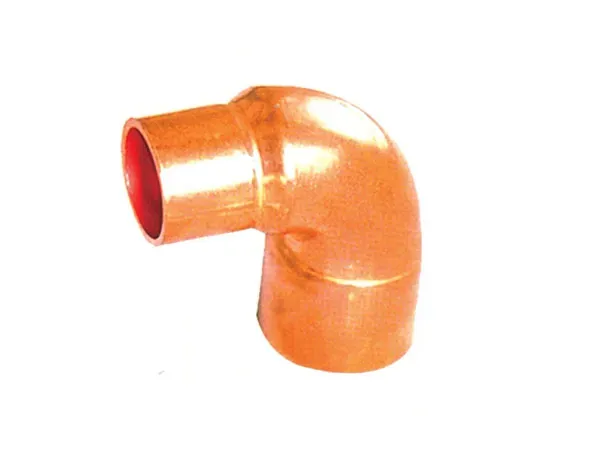
Consistent documentation helps operators spot trends, manage risks, and plan future maintenance more effectively.
Key Record-Keeping Practices
Inspection Logs
Record all inspection results, noting any irregularities or developing wear patterns.
Cleaning and Repair History
Tracking interventions helps identify recurring issues or weak points in the system.
Predictive Maintenance
Using historical data to forecast component fatigue or performance decline allows for timely replacement and reduces operational downtime.
Copper-nickel alloy ship fittings are engineered to endure the demanding marine environment, offering long service life, excellent corrosion resistance, and dependable mechanical performance. Yet, maximizing their lifespan requires a proactive maintenance approach.
By combining regular cleaning, thorough inspections, galvanic corrosion prevention, appropriate protective coatings, and careful flow management, marine operators can significantly extend the durability of copper-nickel fittings. These practices not only reduce long-term repair costs but also enhance vessel safety and operational efficiency.
Investing time in proper maintenance today ensures reliable performance for years to come—making copper-nickel alloys a cost-effective and trusted choice for modern marine vessels.
Electrostatic Coalescer Safety: Handling High Voltage in Hazardous Areas
2026-10-12 01:29Nanoparticle-Enhanced Electrostatic Coalescers: Next-Gen Efficiency
2026-10-05 01:29Top 10 Questions When Selecting an Electrostatic Coalescer Vendor
2026-09-28 01:29Electrostatic Coalescer for Produced Water Treatment: Benefits Explored
2026-09-21 01:29Address: No. 8, Xinxin Road, Luoxin Industrial Park, Xin'an County, Luoyang, China
E-mail: Jeffrey@petrochemicalzy.com
Phone: +8615896509239

Zhengyuan Petrochemical
Create the greatest value for customers
Provide the best quality products and services
+8615896509239
Jeffrey@petrochemicalzy.com
No. 8, Xinxin Road, Luoxin Industrial Park, Xin'an County, Luoyang, China
 WhatsApp