



Get in touch
Electrostatic coalescers have become a cornerstone technology in oil processing, enabling efficient separation of water-in-oil emulsions. Yet despite their proven effectiveness in fields from crude oil desalting to produced water treatment, several misconceptions persist among operators and engineers. These myths can lead to suboptimal equipment selection, higher operational costs, or unnecessary skepticism about the technology itself. In this article, we examine three of the most common myths surrounding electrostatic coalescers, providing fact-based clarity based on real-world industrial experience. Zhengyuan Petrochemical has decades of expertise in designing and deploying these systems, and we aim to help you separate fact from fiction.
A widespread belief is that electrostatic coalescers are only economically or technically viable for mega-refineries or massive offshore platforms. This assumption stems from the historical association of electrostatic separation with large crude desalter units. However, modern electrostatic coalescer designs have been significantly scaled down and modularized.
Advances in power supply electronics and electrode geometry now allow compact coalescer vessels that handle flow rates as low as 500 barrels per day. For example, Zhengyuan Petrochemical manufactures a line of skid-mounted electrostatic coalescers that can be integrated directly into existing piping without major civil works. These units are frequently deployed at gathering stations, small refineries, and even upstream wellhead separation facilities.
The return on investment for electrostatic coalescers is not solely dependent on volume. Lower chemical consumption, reduced downstream heating load, and improved product quality often offset the capital expenditure even at moderate production rates. A case from a mid-size Canadian heavy oil facility showed that a compact electrostatic coalescer paid for itself in 14 months through reduced demulsifier usage and less off-spec crude.
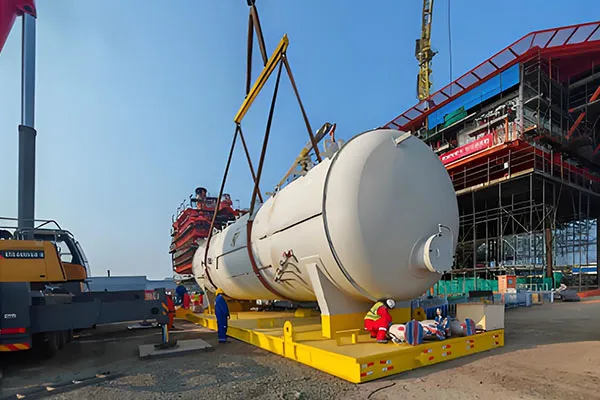
Some operators avoid electrostatic coalescers because they believe the high-voltage components make the system fragile and maintenance-intensive. The image of frequent electrode failures or dangerous arcing is common, but this is largely based on older designs from three decades ago.
Today’s electrostatic coalescers feature solid-state power supplies with advanced diagnostics. Electrodes are engineered using corrosion-resistant alloys and insulating materials that withstand both thermal cycling and abrasive particles. Zhengyuan Petrochemical’s coalescers are equipped with real-time impedance monitoring that automatically adjusts voltage to prevent sparking under upset conditions. Maintenance intervals are typically aligned with standard vessel inspections—once every 12 to 18 months for most applications.
Because the underlying principle of applying an electric field to coalesce water droplets seems universal, many assume that any coalescer will deliver comparable separation efficiency. This misunderstanding often leads to procurement decisions based solely on price or vessel size.
The efficiency of an electrostatic coalescer depends on electric field strength distribution, residence time distribution, and electrode configuration. A poorly designed unit may create dead zones where droplets never experience sufficient field intensity, resulting in carry-over. Zhengyuan Petrochemical’s design employs a proprietary multi-zone electrode arrangement that ensures uniform field coverage across the entire cross-section. Additionally, the company’s control algorithms adapt to changing emulsion properties (e.g., water cut, viscosity) without operator intervention.
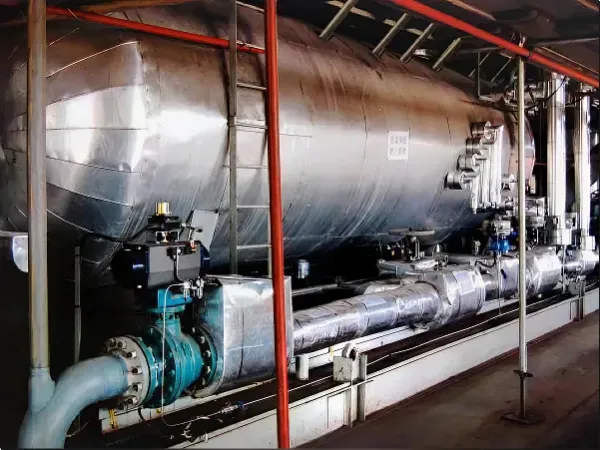
Misconceptions about electrostatic coalescers can cost operators money through over-sized equipment, excessive chemical injection, or subpar separation. By debunking these three myths, we hope to provide a clearer path for technology selection. Zhengyuan Petrochemical combines deep domain knowledge with customizable solutions—from modular units for remote locations to high-throughput systems for major refineries. Every coalescer is backed by process simulation and field support, ensuring that the theoretical advantages become concrete operational results.
When evaluating electrostatic coalescers for your oil processing application, look beyond the myths. Focus on proven track records, adaptable design, and real-world data. The reality is that electrostatic coalescers are reliable, cost-effective, and suitable for a much wider range of operations than often assumed.
Nanoparticle-Enhanced Electrostatic Coalescers: Next-Gen Efficiency
2026-10-05 01:29Top 10 Questions When Selecting an Electrostatic Coalescer Vendor
2026-09-28 01:29Electrostatic Coalescer for Produced Water Treatment: Benefits Explored
2026-09-21 01:29How to Size an Electrostatic Coalescer for Your Production Rate
2026-09-14 01:29Address: No. 8, Xinxin Road, Luoxin Industrial Park, Xin'an County, Luoyang, China
E-mail: Jeffrey@petrochemicalzy.com
Phone: +8615896509239

Zhengyuan Petrochemical
Create the greatest value for customers
Provide the best quality products and services
+8615896509239
Jeffrey@petrochemicalzy.com
No. 8, Xinxin Road, Luoxin Industrial Park, Xin'an County, Luoyang, China
 WhatsApp