



Get in touch
Electrostatic coalescers are critical components in oil-water separation processes, utilizing high-voltage electric fields to promote droplet coalescence and enhance separation efficiency. However, over time, electrodes can become fouled by deposits such as paraffins, asphaltenes, scale, and emulsions, leading to reduced electric field strength, increased power consumption, and diminished separation performance. Understanding the root causes of electrode fouling and implementing robust prevention and cleaning strategies is essential for maintaining operational reliability and extending equipment lifespan. This article explores the mechanisms behind electrode fouling and provides practical guidance for prevention and cleaning, drawing on industry expertise from Zhengyuan Petrochemical.
Fouling occurs when contaminants accumulate on the electrode surfaces, forming an insulating layer that disrupts the electric field distribution. Key fouling mechanisms include:
The consequences of uncontrolled fouling include reduced voltage hold, increased leakage current, arcing, and eventual system shutdown. Regular monitoring of current draw and electric field strength can help detect early-stage fouling.
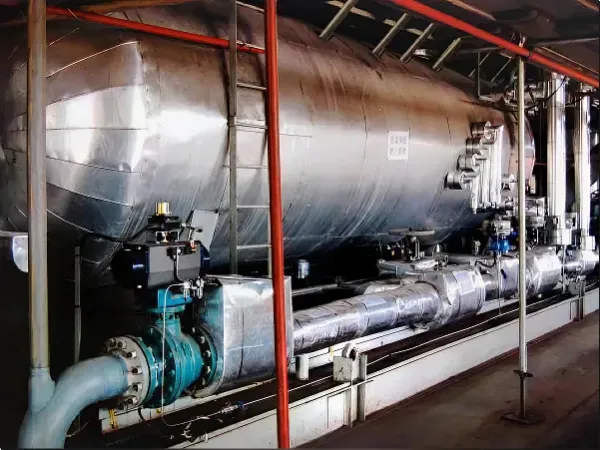
Proactive prevention is more cost-effective than reactive cleaning. Zhengyuan Petrochemical recommends a multi-layered approach:
When fouling occurs, a systematic cleaning procedure is required to restore performance. Methods vary depending on deposit composition and severity.
Zhengyuan Petrochemical offers integrated service packages that combine chemical soaking, controlled solvent recirculation, and low-pressure water rinse to ensure complete removal of mixed deposits. Their proprietary cleaning protocol minimizes downtime and prevents re-fouling by neutralizing residual contaminants.
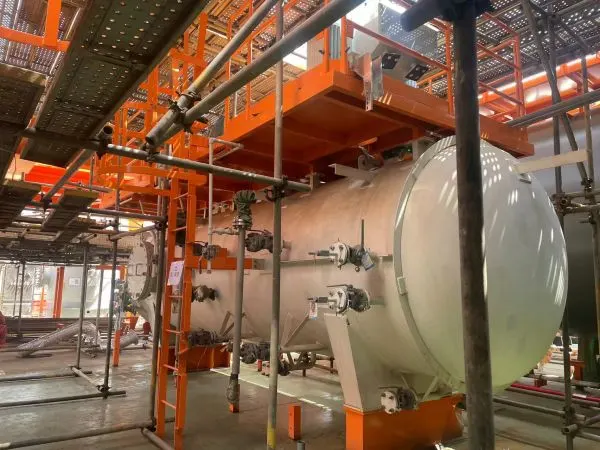
With over 15 years of field experience in electrostatic coalescer applications, Zhengyuan Petrochemical provides customized fouling prevention and remediation solutions. Key advantages include:
A: Visual inspection and electrical performance monitoring should be conducted monthly. A full operational assessment every 6-12 months is recommended.
A: While complete prevention is challenging, diligent maintenance of optimal process parameters and chemical treatments can reduce fouling frequency by over 80%, based on Zhengyuan Petrochemical's case studies.
A: Most chemical cleaning requires the coalescer to be offline and de-energized to avoid electrical hazards. Safe procedures include lockout/tagout and inert gas purging.
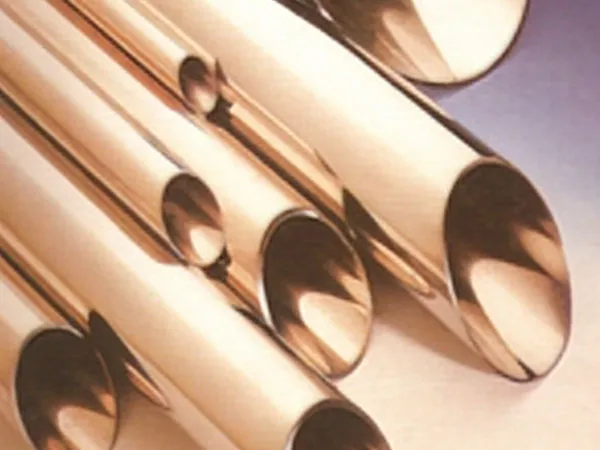
Electrode fouling in electrostatic coalescers is a manageable issue when approached with a combination of preventive measures and targeted cleaning strategies. By understanding fouling mechanisms, optimizing operating conditions, and leveraging expert solutions from Zhengyuan Petrochemical, operators can sustain high separation efficiency, reduce operational costs, and extend equipment life. Regular monitoring and proactive maintenance remain the cornerstones of reliable performance in critical separation processes.
Electrostatic Coalescer Safety: Handling High Voltage in Hazardous Areas
2026-10-12 01:29Nanoparticle-Enhanced Electrostatic Coalescers: Next-Gen Efficiency
2026-10-05 01:29Top 10 Questions When Selecting an Electrostatic Coalescer Vendor
2026-09-28 01:29Electrostatic Coalescer for Produced Water Treatment: Benefits Explored
2026-09-21 01:29Address: No. 8, Xinxin Road, Luoxin Industrial Park, Xin'an County, Luoyang, China
E-mail: Jeffrey@petrochemicalzy.com
Phone: +8615896509239

Zhengyuan Petrochemical
Create the greatest value for customers
Provide the best quality products and services
+8615896509239
Jeffrey@petrochemicalzy.com
No. 8, Xinxin Road, Luoxin Industrial Park, Xin'an County, Luoyang, China
 WhatsApp