Get in touch
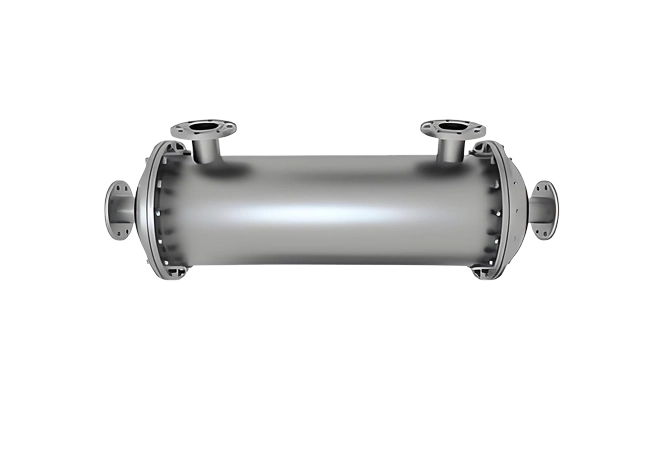
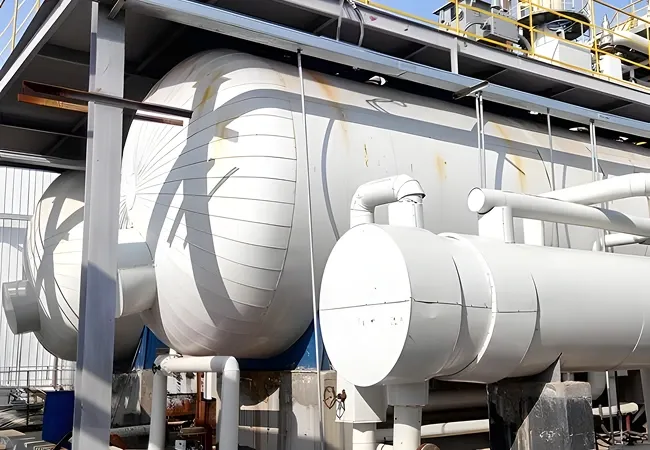
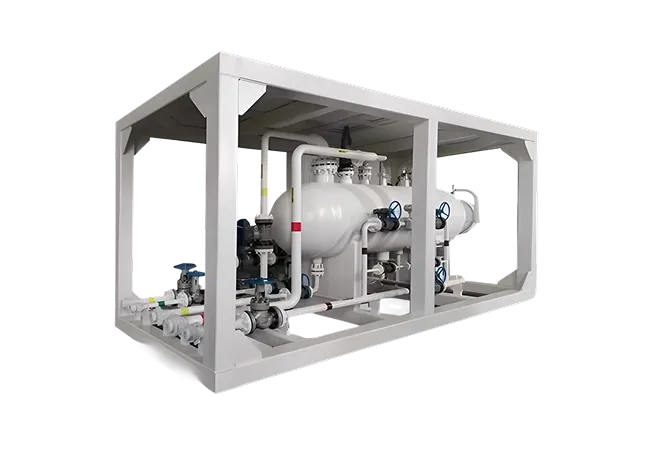
Luoyang Zhengyuan Petrochemical manufactures crude oil electrostatic dehydrators that typically bring crude oil to 0.1–0.5% BS&W and 5–10 PTB salt. A high-voltage AC-DC field coalesces dispersed water droplets, and the unit — also known as an electrostatic treater, crude oil desalter or electrostatic coalescer — is supplied as a single vessel or as a skid-mounted package for onshore fields, offshore platforms and refinery crude units.
Contact Us
A crude oil electrostatic dehydrator is a crucial piece of equipment in the oil and gas industry. Its primary function is to remove dispersed water droplets and dissolved salts from crude oil before it undergoes further refining processes.
A note on terminology. The same class of equipment appears in project specifications under several names. Electrostatic dehydrator and electrostatic treater usually emphasize water removal; crude oil desalter, crude desalter or simply desalter emphasize salt removal; electrostatic coalescer and electrostatic separator refer to the separation mechanism itself. A heater treater combines heating with separation and is common on smaller onshore production sites, while an AC-DC electrostatic treater uses a combined field to handle heavier and more stable emulsions. In practice most modern units — including ours — perform dehydration and desalting in the same vessel, so the terms are often used interchangeably in enquiries and tender documents.
Crude oil extracted from the ground often contains a significant amount of water (known as "produced water") and various impurities, including dissolved salts (primarily chlorides of sodium, calcium, and magnesium) and sediments like sand, silt, and rust. These contaminants can lead to several problems in downstream operations:
To mitigate these issues, crude oil undergoes a treatment process that typically involves dehydration and desalting. While desalting specifically targets the removal of dissolved salts (which are in the water phase), dehydration focuses on removing the water itself. Electrostatic dehydrators often perform both functions simultaneously.
Electrostatic dehydrators work on the principle of electrostatic coalescence. Here's a breakdown of the process:
For a detailed treatment of field strength, electrode configuration and AC versus DC operation, see our electrostatic coalescence technology page.
Zhengyuan supplies electrostatic dehydrators and desalters sized to the crude properties, water cut and throughput of each project. Design data for a specific duty — throughput, design pressure and temperature, electric field type and expected outlet water and salt content — is provided with each quotation; send us your crude data to receive it.
Electrostatic dehydrators are widely used in both upstream (oil production fields) and downstream (refineries) segments of the oil and gas industry:
Within those segments, electrostatic dehydrators and desalters are specified for the following duties:
In essence, the crude oil electrostatic dehydrator is a vital technology that ensures the efficient and safe processing of crude oil, contributing significantly to the overall profitability and environmental performance of the petroleum industry.
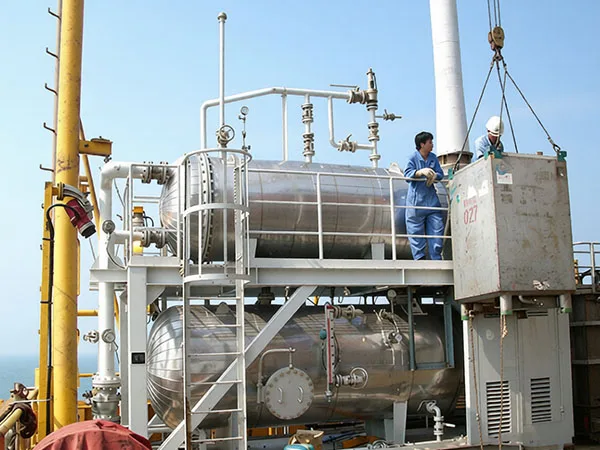
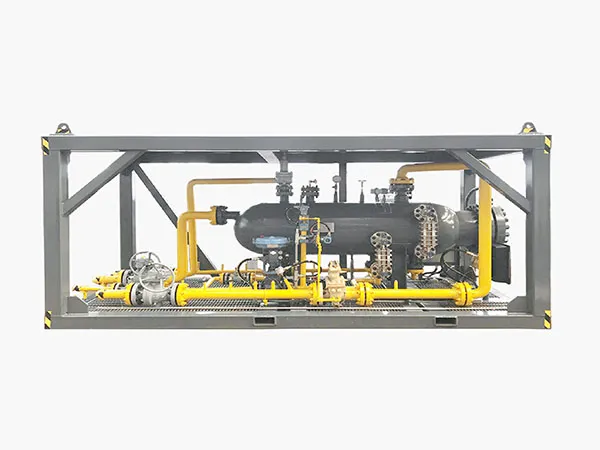
Explore our skid-mounted desalting and dehydration package, with delivered projects on CNOOC offshore platforms and FPSOs. This technology is backed by multiple invention patents held by Zhengyuan Petrochemical.
Zhengyuan has completed a large number of orders for CNOOC projects, among them several skid-mounted electrostatic dehydration and desalting packages installed on offshore platforms and FPSOs. Installations documented in our project cases include:
Photos and details of each installation are on our project cases page.
Zhengyuan holds an ASME certificate, ISO 9001 certification and a pressure vessel manufacturing license, together with ABS Product Design Assessment (PDA) and IECEx certificates.
This technology is covered by fourteen patents held by Zhengyuan Petrochemical, spanning electrostatic coalescence electrodes and their sealing, the dedicated high-voltage power supply, and skid-mounted rapid separation processes.
They describe the same process from different angles. Coalescence is the mechanism — an electric field merges small water droplets into larger ones. Dehydrator describes the duty — removing water from the crude. A vessel sold as an electrostatic coalescer and one sold as an electrostatic dehydrator are normally the same equipment; the name follows the project specification.
A heater treater relies mainly on heat and residence time, and is common on smaller onshore sites with light crude. An electrostatic treater applies a high-voltage field, so it breaks stable emulsions at lower temperature, in a smaller vessel and with less demulsifier. For heavy crude, high water cut, or offshore installations where space and fuel gas are limited, the electrostatic route is normally selected.
Electrostatic dehydration typically brings crude to 0.1–0.5% BS&W, with salt content typically reduced to 5–10 PTB. Actual figures depend on crude properties, inlet water cut, operating temperature and whether single- or two-stage desalting is used.
Yes. Most units perform both duties simultaneously — wash water is injected to dilute the salt in the remaining water droplets, and the electric field then coalesces and settles them out. Refinery applications with strict salt targets often use two stages in series.

Zhengyuan Petrochemical
Create the greatest value for customers
Provide the best quality products and services
+8615896509239
Jeffrey@petrochemicalzy.com
No. 8, Xinxin Road, Luoxin Industrial Park, Xin'an County, Luoyang, China
 WhatsApp