



Get in touch
In crude oil dehydration, chemical demulsifiers have long been the default solution for breaking water-in-oil emulsions. However, escalating chemical costs and environmental regulations are driving operators to explore more efficient alternatives. Electrostatic coalescers offer a proven method to drastically cut chemical consumption while maintaining or improving dehydration performance. This article explains how electrostatic coalescence works, quantifies the potential chemical savings, and presents practical implementation considerations for facilities aiming to optimize their dehydration processes.
Electrostatic coalescers apply a high-voltage electric field across the oil-water emulsion, causing dispersed water droplets to polarize and attract each other. The resulting droplet growth—coalescence—enables gravity separation with far less reliance on chemical demulsifiers. The electric field can be AC, DC, or pulsed, each with specific advantages for different crude types. By promoting natural coalescence, the system reduces the demand for chemical surfactants that lower interfacial tension.
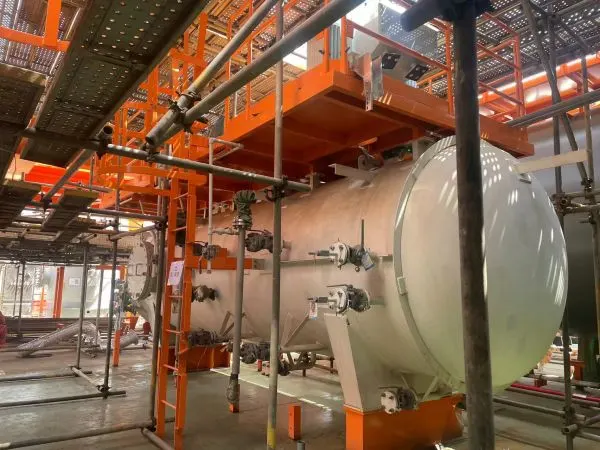
Field data from multiple installations show that electrostatic coalescers can reduce chemical demulsifier consumption by 50–80%. The exact savings depend on crude oil properties (API gravity, emulsion stability, temperature) and existing chemical dosage rates. Below is a typical comparison between conventional chemical-only treatment and a hybrid electrostatic+reduced chemical approach.
| Parameter | Chemical-Only | Electrostatic + Reduced Chemical |
|---|---|---|
| Demulsifier dosage (ppm) | 50–150 | 10–30 |
| Residual water content (BS&W) | 0.5–1.0% | 0.2–0.5% |
| Total chemical cost ($/bbl) | 0.12–0.35 | 0.03–0.08 |
| Energy consumption (kWh/bbl) | 0 (negligible) | 0.02–0.05 |
Key insight: Electrostatic coalescers achieve better water removal with up to 80% less chemical, yielding net savings even after accounting for equipment and energy costs.
While the primary driver is chemical reduction, electrostatic coalescers deliver additional operational and environmental benefits:
Lower chemical residuals mean less contamination of downstream processes, such as hydrotreating or catalytic cracking. The resulting crude has lower sediment and water content, often meeting pipeline specifications without secondary treatment.
Less chemical usage translates to lower discharge of toxic substances into produced water. This simplifies water treatment and reduces compliance risks.
Electrostatic coalescers are less sensitive to changes in crude composition compared to chemical demulsifiers, which may require re-optimization for each batch. This stability reduces operator intervention and downtime.
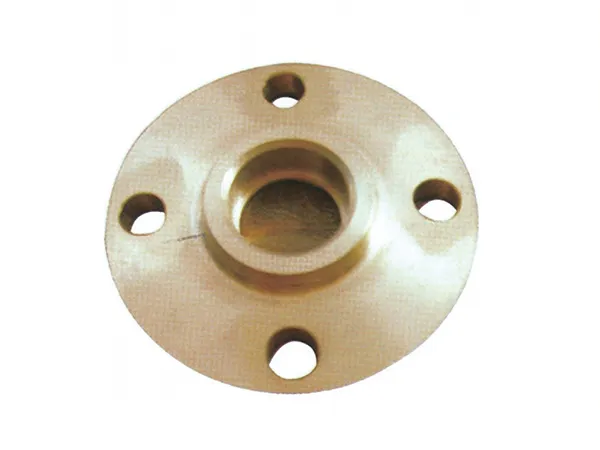
Deploying electrostatic coalescence requires careful engineering to match the electric field design with the specific emulsion characteristics. Zhengyuan Petrochemical offers modular electrostatic coalescer units that can be retrofitted into existing dehydration vessels or integrated into new separator designs. Their systems feature advanced control algorithms that automatically adjust voltage and frequency to maintain optimal coalescence while preventing arcing.
Zhengyuan Petrochemical’s team provides on-site pilot testing to quantify chemical reduction potential before full-scale installation, ensuring a predictable return on investment.
Electrostatic coalescers are not a complete replacement for chemical demulsifiers, but they dramatically reduce dependence on them. For operators facing rising chemical costs or tighter environmental regulations, this technology offers a proven, scalable solution. By partnering with an experienced supplier like Zhengyuan Petrochemical, facilities can optimize their dehydration process, lower operating expenses, and improve crude quality—all while cutting chemical consumption by more than half.
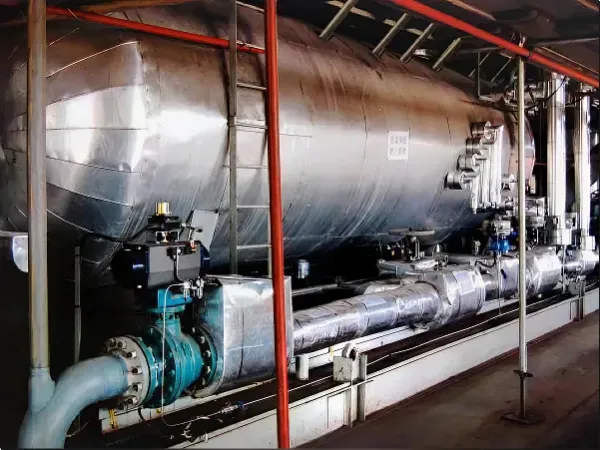
Yes, but the electric field parameters must be adjusted for high-viscosity, high-conductivity crudes. Zhengyuan Petrochemical offers customized electrode designs for heavy oil applications.
Immediate reduction is possible once the electrostatic unit is online; however, full optimization may take 1–2 weeks of fine-tuning chemical dosage downward while monitoring effluent quality.
Depending on chemical prices and throughput, payback periods range from 6 to 18 months for most installations.
Electrostatic Coalescer Safety: Handling High Voltage in Hazardous Areas
2026-10-12 01:29Nanoparticle-Enhanced Electrostatic Coalescers: Next-Gen Efficiency
2026-10-05 01:29Top 10 Questions When Selecting an Electrostatic Coalescer Vendor
2026-09-28 01:29Electrostatic Coalescer for Produced Water Treatment: Benefits Explored
2026-09-21 01:29Address: No. 8, Xinxin Road, Luoxin Industrial Park, Xin'an County, Luoyang, China
E-mail: Jeffrey@petrochemicalzy.com
Phone: +8615896509239

Zhengyuan Petrochemical
Create the greatest value for customers
Provide the best quality products and services
+8615896509239
Jeffrey@petrochemicalzy.com
No. 8, Xinxin Road, Luoxin Industrial Park, Xin'an County, Luoyang, China
 WhatsApp