



Get in touch
In the oil and gas industry, the dehydration of heavy crude oil remains a critical step for ensuring product quality and reducing downstream processing issues. Heavy crude oils often contain high concentrations of water and emulsified salts, which can lead to corrosion, equipment fouling, and increased refining costs. To address these challenges, electrostatic coalescers have become a cornerstone technology for efficient water separation. Understanding how to optimize electrostatic coalescer efficiency for heavy crude oil dehydration is crucial for operators aiming to achieve higher throughput, reduce maintenance costs, and ensure regulatory compliance.
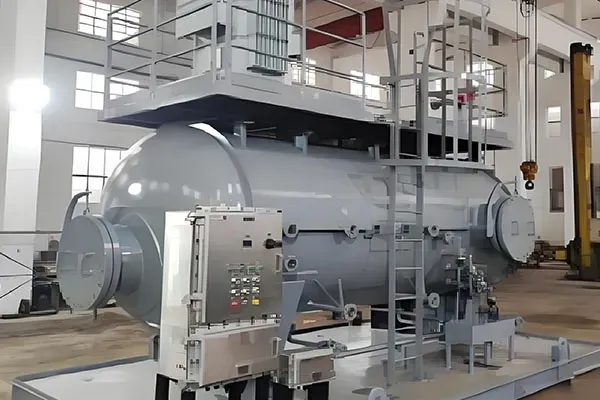
Electrostatic coalescers function by applying an electric field across a flowing oil stream to encourage small water droplets to merge into larger ones. Once coalesced, these droplets settle more rapidly due to gravity, effectively separating water from oil. The performance of these units depends not only on the applied voltage but also on the physical properties of the crude oil, including viscosity, density, and the presence of stabilizing agents such as asphaltenes. Heavy crude oils, with their higher viscosity and natural emulsifiers, often pose unique challenges that require tailored operational strategies.
One of the key factors influencing electrostatic coalescer efficiency for heavy crude oil dehydration is the emulsion stability of the crude oil. Asphaltenes and fine solids in heavy crude can stabilize water droplets, making them resistant to coalescence. Operators can mitigate this issue by controlling the oil’s temperature to lower viscosity, allowing droplets to move and merge more easily. Heating the feed oil prior to the coalescer not only improves droplet mobility but also reduces the energy required to achieve effective separation. However, excessive heating must be avoided to prevent thermal degradation of the crude oil.
Another important consideration is the electric field strength and configuration within the coalescer. Modern electrostatic coalescers often feature variable voltage settings and adjustable electrode geometries, allowing operators to fine-tune the field according to the oil’s characteristics. Optimizing these parameters enhances water droplet polarization and increases collision frequency, significantly improving separation efficiency. Additionally, regular maintenance of the electrodes to remove fouling or scaling ensures consistent performance over time.
Chemical additives also play a crucial role in enhancing electrostatic coalescer efficiency. Demulsifiers, typically polymeric surfactants, reduce the interfacial tension between oil and water, promoting faster coalescence. In heavy crude applications, selecting the right demulsifier type and dosage is essential, as overly aggressive formulations can destabilize the oil phase, while insufficient dosages may result in incomplete water removal. Laboratory testing and pilot-scale trials are often necessary to determine the optimal chemical treatment strategy.
Operational parameters, such as residence time and flow rate through the coalescer, further impact dehydration efficiency. Increasing the residence time allows water droplets more opportunity to collide and merge, whereas excessively high flow rates can reduce separation performance. Engineers often balance these factors by designing coalescer vessels with appropriate length-to-diameter ratios and by implementing flow control mechanisms. Real-time monitoring of water content in the effluent enables dynamic adjustments, ensuring compliance with water specification limits.
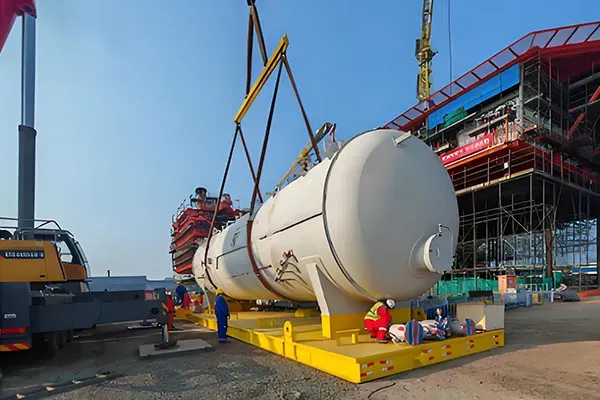
Environmental and economic considerations also influence the deployment of electrostatic coalescers. Efficient dehydration reduces the volume of produced water requiring treatment, minimizing environmental discharge and associated handling costs. Furthermore, by lowering water and salt content in heavy crude, operators reduce downstream corrosion and fouling, extending the life of refining equipment and cutting maintenance expenditures. These benefits make optimizing electrostatic coalescer efficiency for heavy crude oil dehydration not only a technical requirement but also a strategic business decision.
In summary, achieving high efficiency in electrostatic coalescers for heavy crude oil dehydration requires a holistic approach. Key factors include controlling crude oil viscosity, optimizing electric field parameters, selecting appropriate demulsifiers, and carefully managing residence time and flow rates. By integrating these strategies, operators can maximize water removal, minimize operational disruptions, and ensure consistent product quality. Investing in proper maintenance and monitoring systems further enhances long-term reliability, demonstrating that optimized electrostatic coalescers are indispensable for modern heavy crude oil processing facilities.
For companies seeking to improve production efficiency, reduce environmental impact, and maintain equipment integrity, understanding and implementing best practices for electrostatic coalescer efficiency for heavy crude oil dehydration is critical. With the right combination of thermal, chemical, and electrical strategies, heavy crude oil can be processed more effectively, leading to improved profitability and compliance with industry standards.
Nanoparticle-Enhanced Electrostatic Coalescers: Next-Gen Efficiency
2026-10-05 01:29Top 10 Questions When Selecting an Electrostatic Coalescer Vendor
2026-09-28 01:29Electrostatic Coalescer for Produced Water Treatment: Benefits Explored
2026-09-21 01:29How to Size an Electrostatic Coalescer for Your Production Rate
2026-09-14 01:29Address: No. 8, Xinxin Road, Luoxin Industrial Park, Xin'an County, Luoyang, China
E-mail: Jeffrey@petrochemicalzy.com
Phone: +8615896509239

Zhengyuan Petrochemical
Create the greatest value for customers
Provide the best quality products and services
+8615896509239
Jeffrey@petrochemicalzy.com
No. 8, Xinxin Road, Luoxin Industrial Park, Xin'an County, Luoyang, China
 WhatsApp