



Get in touch
In industries such as manufacturing, petrochemicals, food processing, and wastewater treatment, oil-water separators play a critical role in ensuring environmental compliance and operational efficiency. Whether a facility aims to meet discharge regulations or recover valuable oil for reuse, the performance of an oil-water separator directly impacts both cost control and sustainability. However, many operators find that separation efficiency can fluctuate over time, even when using the same equipment. This is because oil-water separation is influenced by a combination of physical, chemical, and operational factors.
This article explores the key factors affecting the oil-water separation efficiency of an oil-water separator, helping engineers, procurement managers, and plant operators better understand how to optimize system performance.
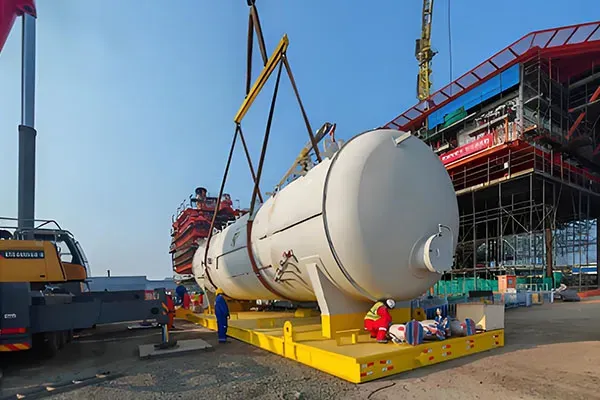
One of the most decisive factors in oil-water separation efficiency is the size of oil droplets suspended in the wastewater. Larger oil droplets tend to rise quickly due to buoyancy, making them easier to separate through gravity-based systems such as API separators or coalescing plate separators.
In contrast, smaller droplets—especially those below 20 microns—remain suspended for longer periods and are significantly more difficult to remove. These fine droplets are often the result of mechanical agitation, high-pressure pumping, or the presence of surfactants.
To improve separation efficiency, many modern systems incorporate coalescing media, which encourage smaller droplets to merge into larger ones. By increasing droplet size, the separator can achieve faster and more effective oil removal.
The physical properties of oil, particularly density and viscosity, also play a major role in separation performance. Oils with lower density differences relative to water rise more slowly, which reduces separation efficiency in gravity-based systems.
Viscosity affects how easily oil droplets move and coalesce. High-viscosity oils tend to resist flow and merging, leading to slower separation rates. For example, heavy oils or emulsified lubricants can significantly challenge standard separators.
Temperature often interacts with viscosity. As temperature increases, oil viscosity decreases, improving flow characteristics and enhancing separation. Therefore, maintaining an optimal temperature range can be beneficial for system performance.
Flow rate directly influences the hydraulic retention time (HRT), which is the amount of time wastewater remains in the separator. A higher flow rate reduces retention time, limiting the opportunity for oil droplets to rise and separate.
When the system is overloaded or experiences fluctuating inflow, turbulence can increase, breaking larger droplets into smaller ones and further reducing efficiency. On the other hand, a well-designed system with stable flow conditions allows sufficient time for gravity separation and coalescence processes to occur.
Proper sizing of the separator and the use of flow control mechanisms are essential to maintaining optimal HRT and ensuring consistent performance.
Emulsified oil presents one of the most significant challenges in oil-water separation. Emulsions occur when oil droplets are stabilized in water by surfactants, detergents, or mechanical shear forces. These droplets are extremely fine and do not easily coalesce.
In industrial environments, emulsions are common in processes involving cleaning agents, cutting fluids, or chemical additives. When emulsions are present, traditional gravity separators may not achieve the desired efficiency.
To address this issue, pre-treatment methods such as chemical demulsification, pH adjustment, or dissolved air flotation (DAF) systems are often required. These techniques help break down emulsions and improve the effectiveness of the separation process.
Temperature has a direct and indirect impact on separation efficiency. As mentioned earlier, higher temperatures reduce oil viscosity, allowing droplets to move more freely and coalesce more easily.
Additionally, temperature affects the density difference between oil and water, which influences the buoyancy force driving separation. However, excessively high temperatures may introduce operational challenges, such as increased evaporation or material stress within the system.
Maintaining a stable and appropriate temperature range is therefore crucial for achieving consistent separation results.
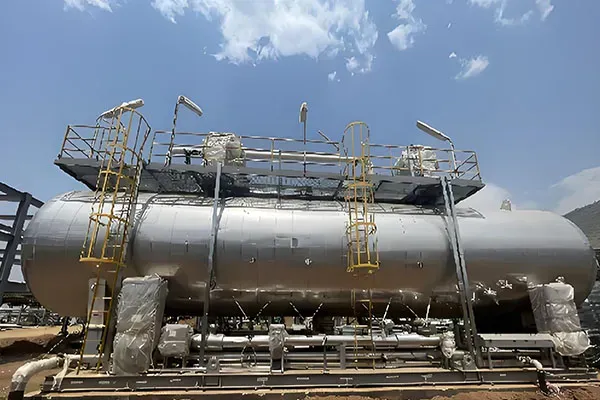
The design of the oil-water separator itself significantly affects performance. Factors such as tank geometry, inlet and outlet configuration, and the presence of coalescing plates or media all contribute to separation efficiency.
Advanced designs often include inclined plate packs, which increase the effective surface area for separation without requiring a larger footprint. These plates facilitate the coalescence of oil droplets and shorten the distance they must travel to separate from water.
Poorly designed systems, on the other hand, may create dead zones, short-circuiting, or excessive turbulence, all of which reduce efficiency. Therefore, selecting a well-engineered separator tailored to the specific application is essential.
Even the most advanced oil-water separator cannot perform effectively without proper maintenance. Over time, sludge, debris, and accumulated oil can reduce the available separation volume and disrupt flow patterns.
Clogged coalescing media or plates can significantly hinder droplet aggregation, while excessive sludge buildup can lead to re-entrainment of oil into the water phase.
Regular inspection, cleaning, and timely replacement of internal components are critical to maintaining optimal performance and extending the lifespan of the equipment.
Water chemistry, including pH, salinity, and the presence of dissolved solids, can influence oil-water separation. For example, extreme pH levels may stabilize emulsions or affect the performance of chemical additives used in pre-treatment.
In some cases, adjusting the pH can enhance the effectiveness of demulsifiers or coagulants, improving overall separation efficiency. Understanding the chemical composition of the wastewater is therefore essential for system optimization.
The efficiency of an oil-water separator is not determined by a single factor but rather by the interaction of multiple variables, including oil properties, flow conditions, equipment design, and operational practices. By understanding these factors, businesses can make informed decisions when selecting, operating, and maintaining their separation systems.
For companies seeking to improve performance, the key lies in a comprehensive approach: optimizing droplet size through coalescence, controlling flow rates, addressing emulsions with appropriate pre-treatment, and maintaining equipment in peak condition.
Ultimately, a well-optimized oil-water separation system not only ensures regulatory compliance but also enhances resource recovery and reduces operational costs. Investing in the right technology and management practices will provide long-term benefits and strengthen a company’s environmental and economic performance.
Electrostatic Coalescer for Produced Water Treatment: Benefits Explored
2026-09-21 01:29How to Size an Electrostatic Coalescer for Your Production Rate
2026-09-14 01:29Zhengyuan Petrochemical Proudly Announces ABS PDA Certification for Copper-Nickel Alloy Pipe Fittings
2026-09-11 02:28Comparing AC vs. DC Electrostatic Coalescers for Water Removal
2026-09-07 01:29Address: No. 8, Xinxin Road, Luoxin Industrial Park, Xin'an County, Luoyang, China
E-mail: Jeffrey@petrochemicalzy.com
Phone: +8615896509239

Zhengyuan Petrochemical
Create the greatest value for customers
Provide the best quality products and services
+8615896509239
Jeffrey@petrochemicalzy.com
No. 8, Xinxin Road, Luoxin Industrial Park, Xin'an County, Luoyang, China
 WhatsApp