Get in touch
Luoyang Zhengyuan Petrochemical Co., Ltd. is a national technology-based enterprise and a professional service provider of refining equipment systems and oil and gas field solutions. and services. Products and services involve professional services for electrical desalination in refineries, oil and gas field oil equipment, etc., and are in a leading position in the industry.
Contact Us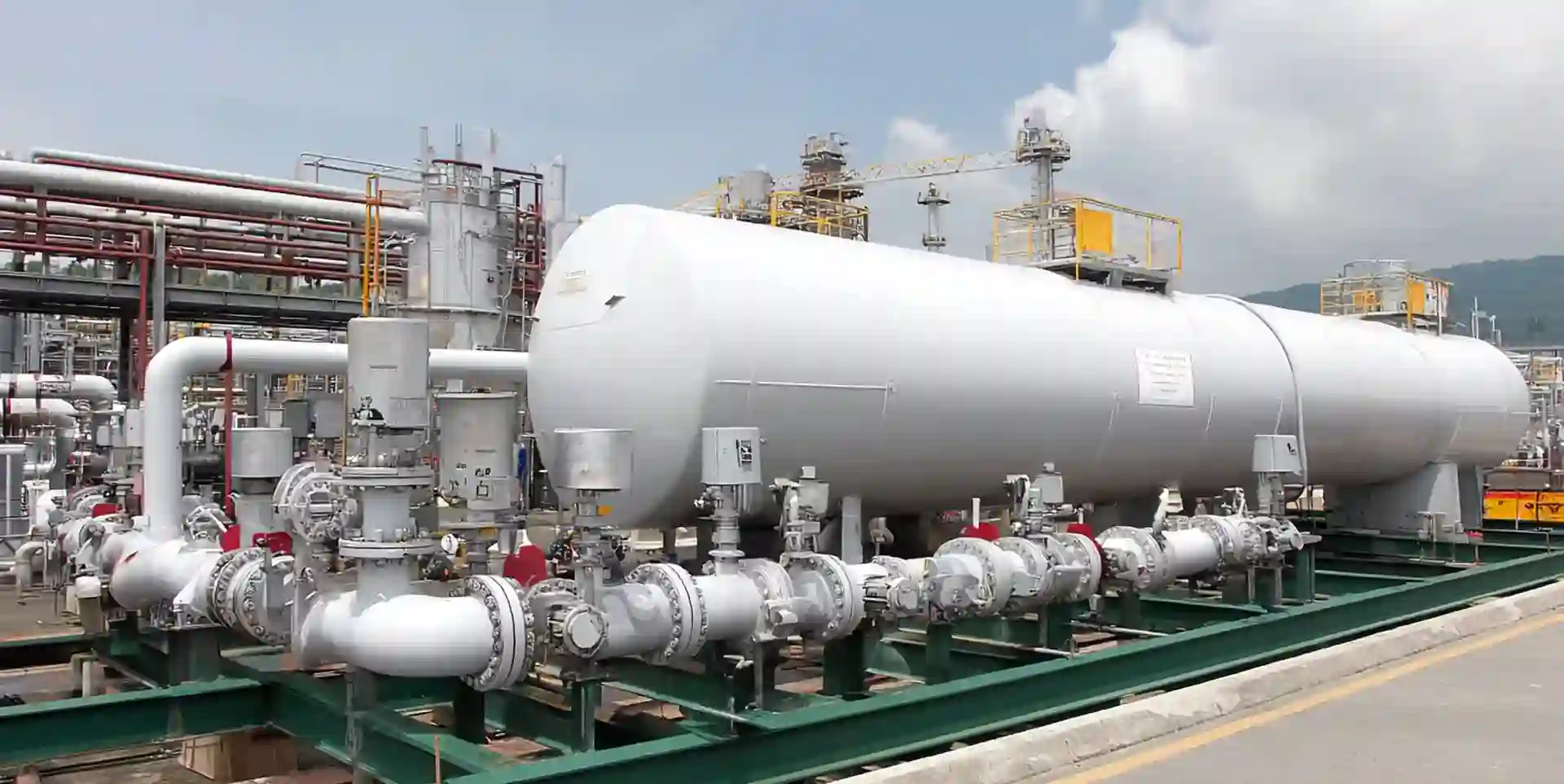
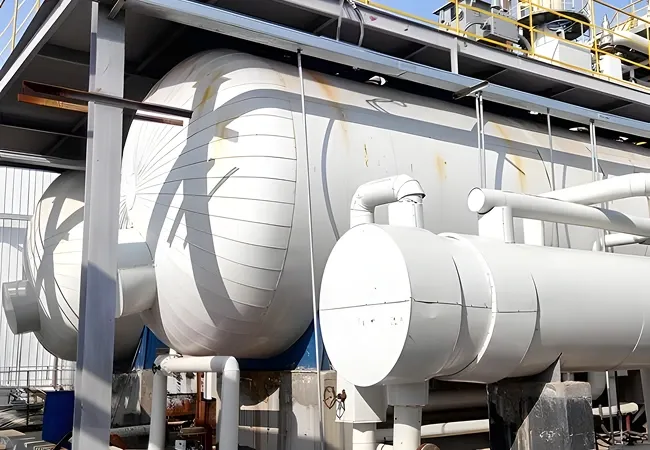
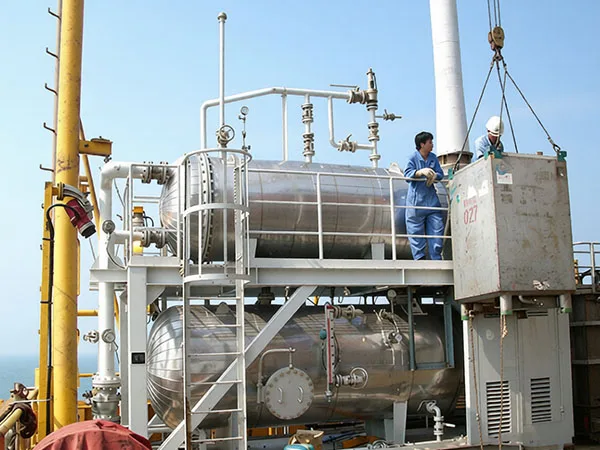
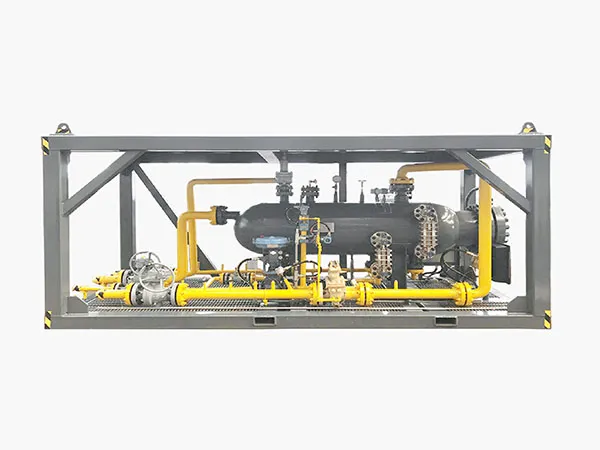
Petrochemical pressure vessels are critical components in the petrochemical industry, designed to safely contain and process liquids, vapors, or gases at pressures significantly higher or lower than the surrounding atmosphere, and often at high or low temperatures. Their integrity is paramount due to the hazardous nature of the materials they handle, and any failure can lead to severe consequences such as fires, explosions, or toxic gas releases.
In the petrochemical industry, pressure vessels are essentially sealed containers that facilitate various chemical and physical processes. They are used for:
Storage: Holding raw materials, intermediate products, or finished products (e.g., crude oil, natural gas, chemicals).
Reactions: Providing controlled environments for chemical reactions (e.g., in reactors).
Separation: Separating different components of a mixture based on their properties (e.g., distillation columns, separators, decanters).
Heat Transfer: Exchanging heat between fluids (e.g., heat exchangers, boilers).
They are distinct from simple storage tanks by their ability to withstand significant internal or external pressure.
The design of petrochemical pressure vessels is a complex engineering task governed by stringent codes and standards to ensure safety and reliability. Key principles include:
Operating Conditions: Vessels are designed for specific operating pressures (maximum allowable working pressure - MAWP) and temperatures (maximum and minimum fluid temperatures). These conditions dictate material selection and wall thickness.
Material Selection: Materials are chosen based on their mechanical properties (yield strength, tensile strength, creep strength, ductility, toughness, fatigue strength), corrosion resistance to the contained fluids, and ability to withstand operating temperatures. Common materials include carbon steel, stainless steel, alloy steels (e.g., chromium-molybdenum steel), nickel alloys, and sometimes composite materials.
Stress Analysis: Designers calculate various stresses (hoop, longitudinal, radial) within the vessel walls to ensure they remain below allowable limits. Spherical shapes generally offer better stress distribution for high pressures than cylindrical shapes.
Geometry: Common shapes include cylindrical with dished heads (torispherical or ellipsoidal), and spherical. The choice of head type influences strength and manufacturability.
Safety Factors: A factor of safety (commonly 1.5 to 4) is incorporated into the design to account for uncertainties in loading conditions, material properties, and manufacturing tolerances.
Corrosion Allowance: Additional thickness is often added to the vessel walls to compensate for material loss due to corrosion over time.
Auxiliary Equipment: Design also incorporates nozzles for fluid inlet/outlet, pressure relief valves for safety, heating/cooling jackets, and support structures (saddles, skirts, legs).
Inspection and Maintenance Accessibility: Designs should allow for easy access for routine inspections and maintenance.
Based on their function and design, petrochemical pressure vessels can be categorized into:
Storage Vessels: For holding liquids and gases under pressure.
Reactors: Where chemical reactions take place, often involving agitators and heating/cooling systems.
Distillation Columns (Fractionators): Used to separate liquid mixtures based on boiling point differences.
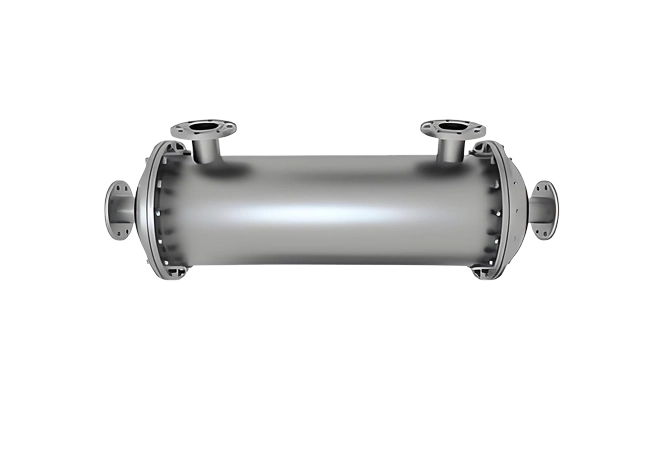
Heat Exchangers: Facilitate heat transfer between two or more fluids. Examples include shell-and-tube heat exchangers.
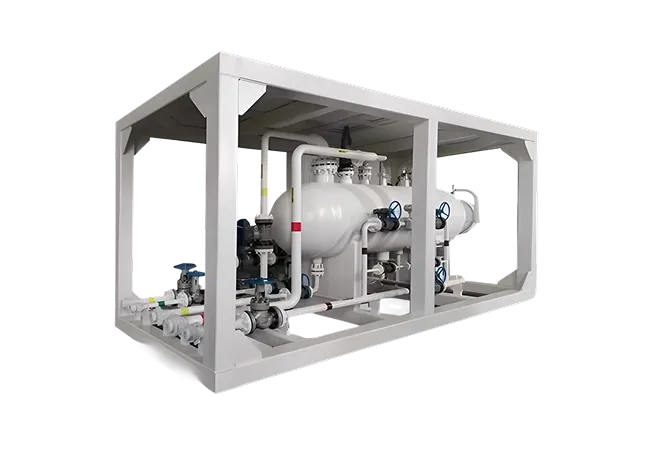
Separators: Designed to separate mixed-phase fluids (e.g., oil, gas, water).
Boilers: Generate steam by heating water.
Due to the inherent risks, petrochemical pressure vessels are heavily regulated. The most prominent standards include:
ASME Boiler and Pressure Vessel Code (BPVC): This is a globally recognized standard, with Section VIII specifically addressing pressure vessels. It provides comprehensive rules for design, fabrication, inspection, testing, and certification. Section VIII is further divided into:
Division 1: For vessels operating above 15 psig, with flexible design standards.
Division 2: For vessels operating under higher stress levels (up to 10,000 psi), with more rigorous criteria.
Division 3: For extremely high-pressure applications (above 10,000 psi), with very stringent requirements.
API (American Petroleum Institute) Standards: Such as API 510 (Pressure Vessel Inspection Code: Maintenance Inspection, Rating, Repair, and Alteration) and API 572 (Inspection of Pressure Vessels), which focus on in-service inspection and maintenance.
OSHA (Occupational Safety and Health Administration) Standards: In the United States, OSHA sets forth safety regulations for pressure vessels in various industries.
Other International Codes: Depending on the region, other national or international codes like PED (Pressure Equipment Directive in Europe) or China GB standards may apply.
Adherence to these standards is crucial for ensuring the safety, reliability, and legal compliance of petrochemical pressure vessels throughout their lifecycle.

Zhengyuan Petrochemical
Create the greatest value for customers
Provide the best quality products and services
+8615896509239
Jeffrey@petrochemicalzy.com
No. 8, Xinxin Road, Luoxin Industrial Park, Xin'an County, Luoyang, China
 WhatsApp