



Get in touch
Preventing galvanic corrosion in copper-nickel alloy ship accessories involves understanding and controlling the electrochemical interaction between dissimilar metals in a marine environment.
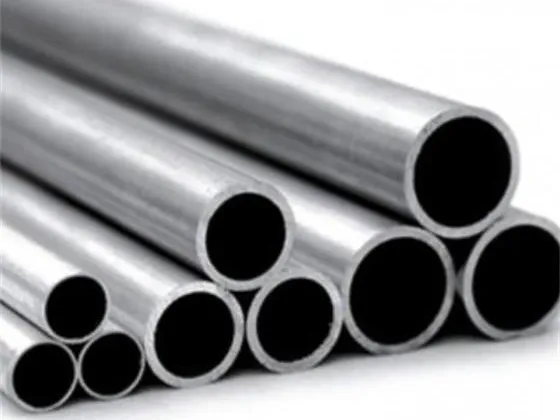
Choose similar metals: The most effective way to prevent galvanic corrosion is to use metals that are close to each other in the galvanic series. Copper-nickel alloys themselves are chosen for their good corrosion resistance in seawater.
Avoid incompatible combinations: When copper-nickel must be used with other metals, be aware of their relative positions in the galvanic series. For example, while copper-nickel is relatively noble, contact with even more noble metals like titanium or some stainless steels can still lead to the copper-nickel corroding. Conversely, if copper-nickel is connected to less noble metals (like steel or aluminum), the less noble metal will corrode.
Surface Area Ratio: If dissimilar metals must be used, ensure that the anodic (less noble, corroding) metal has a significantly larger surface area than the cathodic (more noble, protected) metal. This spreads the corrosion over a larger area, slowing down the rate of attack on any single point.
Break the electrical path: The core principle of galvanic corrosion is the flow of electrons between dissimilar metals. Interrupting this electrical contact is crucial.
Use non-conductive materials: Insert insulating materials like gaskets, washers, sleeves, or non-conductive coatings between the copper-nickel accessory and any other metal it contacts. This physically separates them and prevents electron flow.
Dielectric unions: In piping systems, dielectric unions (made of plastic or with insulating inserts) can be used to separate different metals.
Barrier coatings: Apply suitable marine-grade paints, epoxies, or other protective coatings to create a physical barrier between the metal surface and the seawater electrolyte.
Crucial Point: If only one metal can be coated, always coat the cathodic (more noble) metal. If the anodic (less noble) metal is coated and there's a scratch or pinhole, it will create a small anodic area exposed to a large cathodic area, leading to highly accelerated localized corrosion of the anode.
Sacrificial coatings: While copper-nickel itself is often the "noble" material to be protected, in some cases, a more active metal like zinc can be applied as a coating (e.g., galvanizing on steel components that might be near copper-nickel) to sacrifice itself and protect the underlying metal.
Sacrificial Anodes: This is a very common and effective method for marine environments. Attach a more active (less noble) metal, called a sacrificial anode, to the copper-nickel accessory or the overall hull bonding system. These anodes (typically made of zinc, aluminum, or magnesium) will preferentially corrode, "sacrificing" themselves to protect the copper-nickel and other noble metals.
Anode Material Selection:
Zinc: Excellent for saltwater.
Aluminum: Works well in both saltwater and brackish water, and lasts longer than zinc.
Magnesium: For freshwater only, as it corrodes too quickly in saltwater.
Regular Inspection: Sacrificial anodes must be regularly inspected and replaced when about 50% eroded. If they are not corroding, they are not working, often due to poor electrical contact.
Impressed Current Cathodic Protection (ICCP): For larger vessels or complex systems, an external DC power supply can be used to provide a protective current to the copper-nickel components, driving the corrosion reaction in the opposite direction. This offers more control over the level of protection.
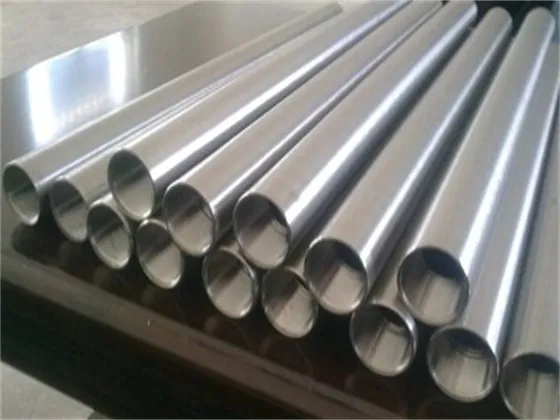
Drainage: Design ship accessories and their installations to prevent stagnant water or electrolyte accumulation at dissimilar metal junctions. Incorporate drain holes and sloped surfaces.
Accessibility: Design for easy inspection and maintenance of connections and sacrificial anodes.
Proper Fasteners: Use fasteners made of the same material as the main component, or if dissimilar, choose fasteners that are cathodic (more noble) relative to the larger structural component to avoid localized corrosion of the fastener.
Galvanic Isolators: When a boat is plugged into shore power, the ground wire can create a galvanic circuit with other boats or marina structures. A galvanic isolator blocks low-voltage DC currents that cause corrosion while still allowing AC to pass for safety.
Isolation Transformers: For maximum protection, an isolation transformer provides complete electrical separation of the boat's electrical system from shore power.
Regular Inspections: Periodically inspect all copper-nickel accessories and their connections for signs of corrosion, damage to coatings, or depleted sacrificial anodes.
Cleaning: Regularly rinse the accessories with fresh water to remove salt deposits and prevent biofouling, which can contribute to localized corrosion.
Prompt Repair: Address any signs of corrosion or coating damage immediately to prevent further deterioration.
By implementing a combination of these strategies, galvanic corrosion in copper-nickel alloy ship accessories can be effectively prevented or significantly mitigated, extending their lifespan and ensuring the integrity of the vessel.
Electrostatic Coalescer Safety: Handling High Voltage in Hazardous Areas
2026-10-12 01:29Nanoparticle-Enhanced Electrostatic Coalescers: Next-Gen Efficiency
2026-10-05 01:29Top 10 Questions When Selecting an Electrostatic Coalescer Vendor
2026-09-28 01:29Electrostatic Coalescer for Produced Water Treatment: Benefits Explored
2026-09-21 01:29Address: No. 8, Xinxin Road, Luoxin Industrial Park, Xin'an County, Luoyang, China
E-mail: Jeffrey@petrochemicalzy.com
Phone: +8615896509239

Zhengyuan Petrochemical
Create the greatest value for customers
Provide the best quality products and services
+8615896509239
Jeffrey@petrochemicalzy.com
No. 8, Xinxin Road, Luoxin Industrial Park, Xin'an County, Luoyang, China
 WhatsApp